








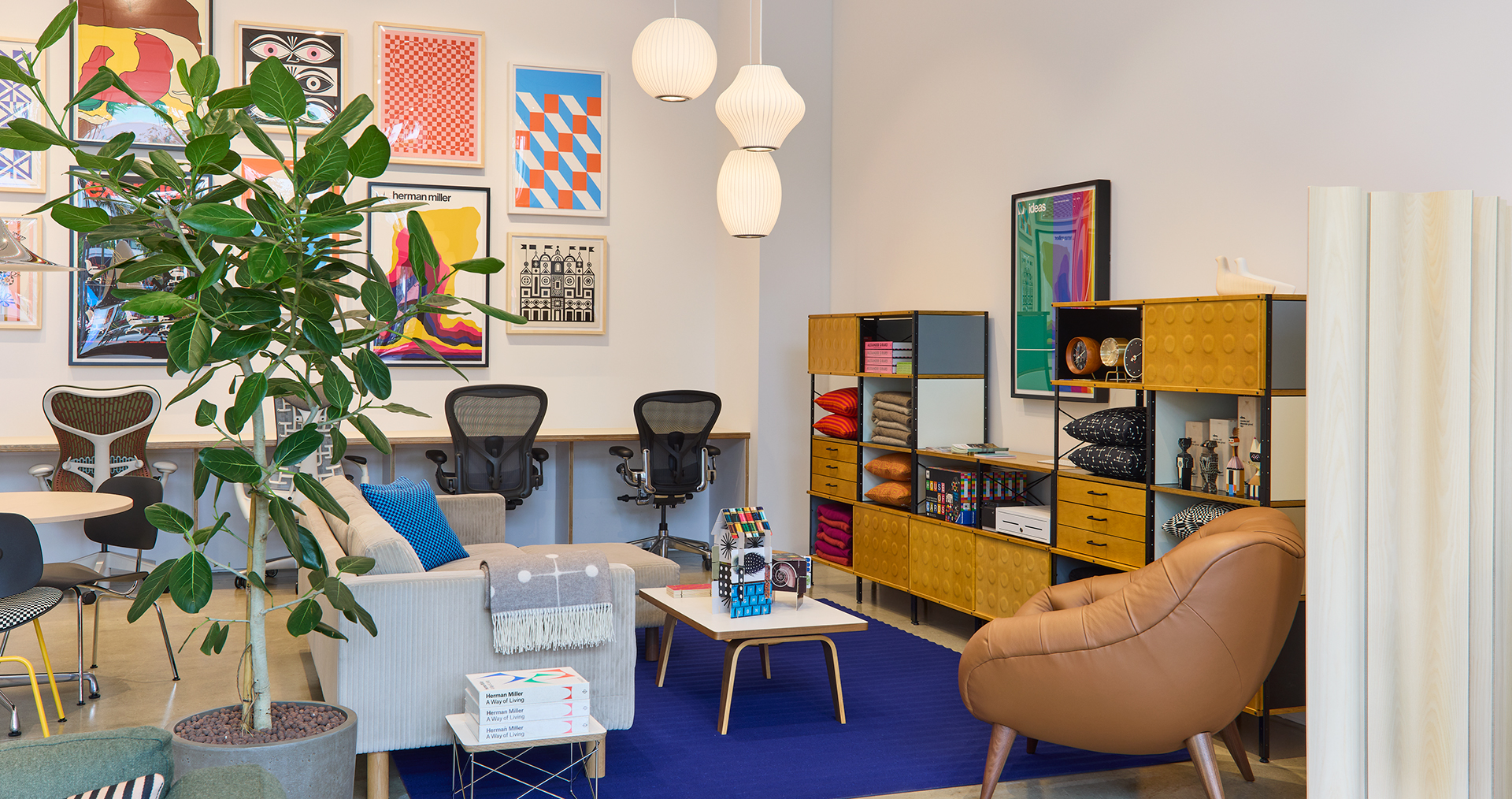
Founded in West Michigan and propelled into design history through visionary collaborations with modern masters, Herman Miller remains synonymous with purposeful, enduring furniture. Its arrival at The Point in El Segundo marks a new chapter for discerning homeowners, architects and collectors of iconic design in the South Bay.
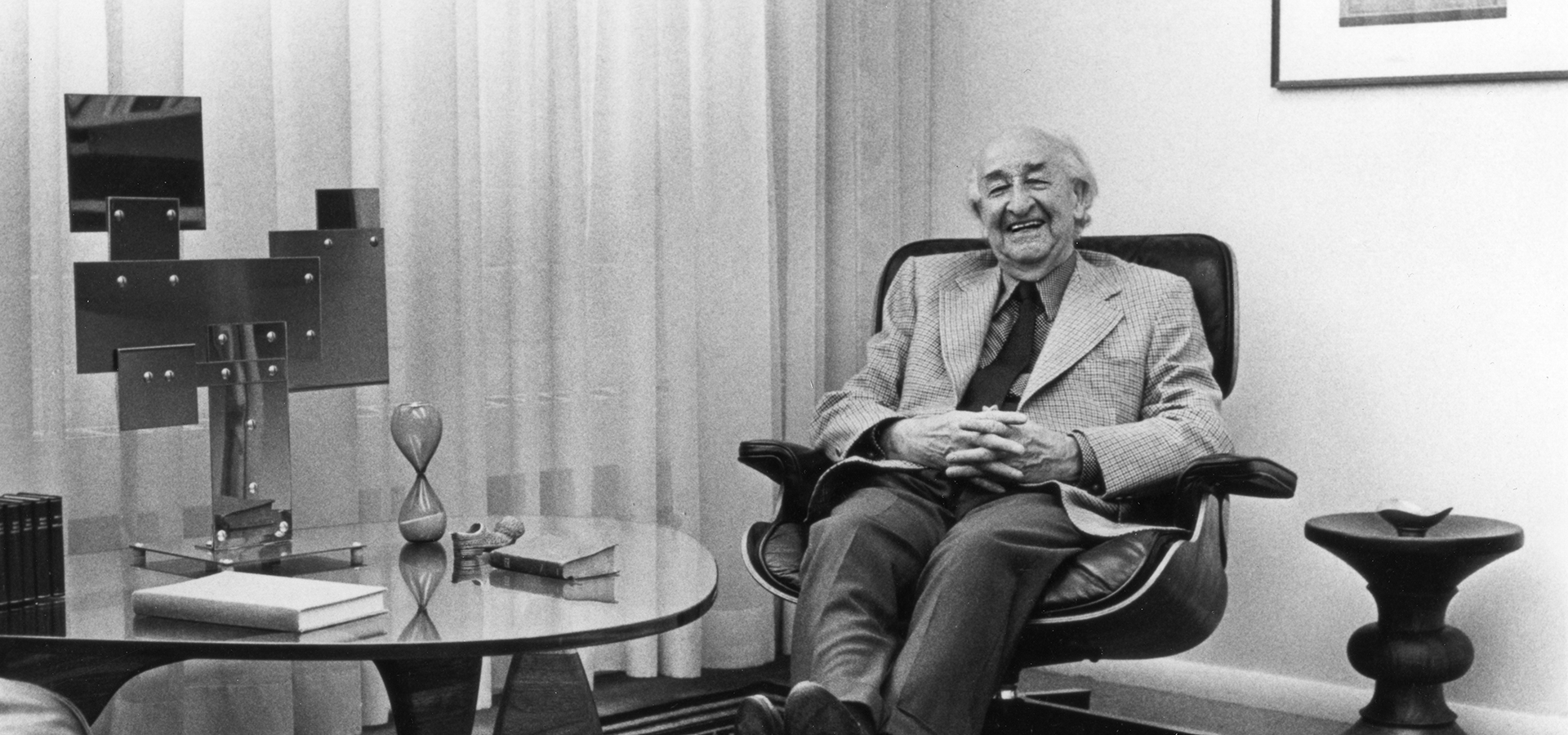
Long before the company became a symbol of modern luxury, its namesake belonged to a Dutch immigrant. Born Harm Mulder, he arrived in the United States in 1867 and, like many immigrants of the era, anglicized his surname to Miller. His son-in-law, D.J. De Pree, persuaded him to invest in the Michigan Star Furniture Company, which was renamed Herman Miller in 1923. In 2021 the brand merged with Knoll to form MillerKnoll, uniting two of the most influential names in modern design.
Although globally recognized, Herman Miller’s headquarters remain in West Michigan, and much of its production continues in the United States—an increasingly rare distinction in today’s furniture market. The company’s commitment to American craftsmanship and innovation underscores the integrity behind its name. Precision engineering, advanced ergonomics, sustainable practices and meticulous material selection are embedded in its design philosophy.
Yet Herman Miller’s cultural resonance extends far beyond the factory floor. Picture a mid-century living room straight out of Mad Men: walnut paneling, low ambient lighting and a sculptural Noguchi coffee table anchoring the space. In scenes like these, the furniture did more than define a period. It embodied ambition, modernity and a distinctly American optimism in the postwar economy.
I remember my father coming home from work, loosening his tie and settling into an Eames lounge chair, feet resting on the ottoman, television positioned squarely in front of him while my mother prepared dinner. Perhaps there were martinis involved; perhaps slippers were offered.
The ritual felt ordinary at the time. And yet the chair always seemed special—Dad’s chair, which we were allowed to occupy only occasionally. The world has since evolved beyond many of those traditional 1970s roles, and households look different today. Still, that chair—now mine—and the memories it carries remain relevant.
These pieces are more than furnishings; they are foundational design elements. They define a room, draw on heritage and, in many cases, bridge generations. That is the quiet legacy of Herman Miller.
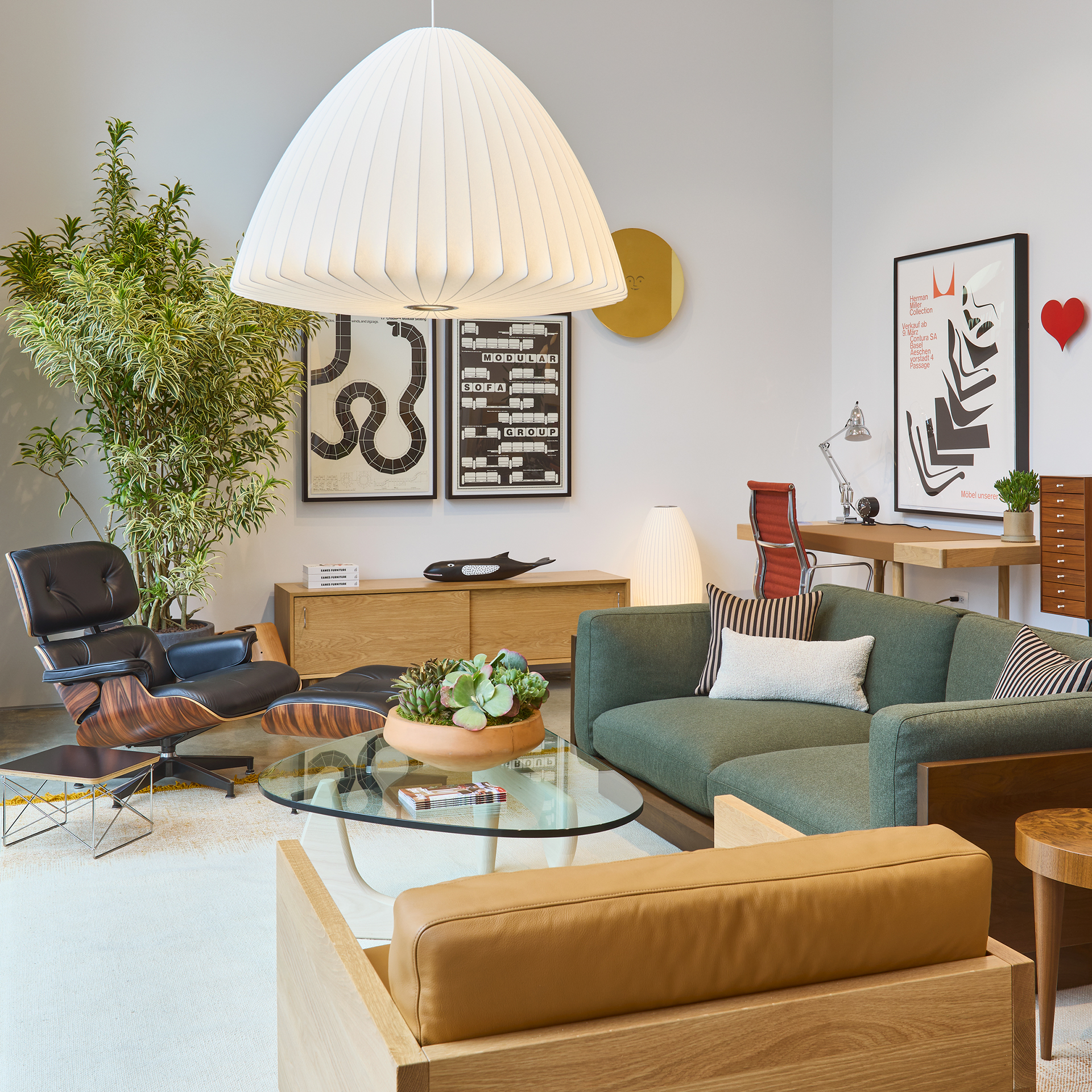
Through collaborations with Gilbert Rohde, Isamu Noguchi, George Nelson, and Charles and Ray Eames, the company created designs that transcended trends and defined the zeitgeist of the 1950s and ’60s. The Noguchi coffee table remains a master class in balance and organic form. The Eames lounge chair and ottoman redefined comfort through molded plywood innovation and refined upholstery—now offered in updated materials to suit contemporary tastes.
Nelson’s coconut chair—with its open, sculptural shell—felt daring at its debut and remains strikingly contemporary decades later. Rohde, Herman Miller’s first design director, introduced his easy chair in the early 1940s. It was reissued in 2024 as part of the company’s archival revival program.
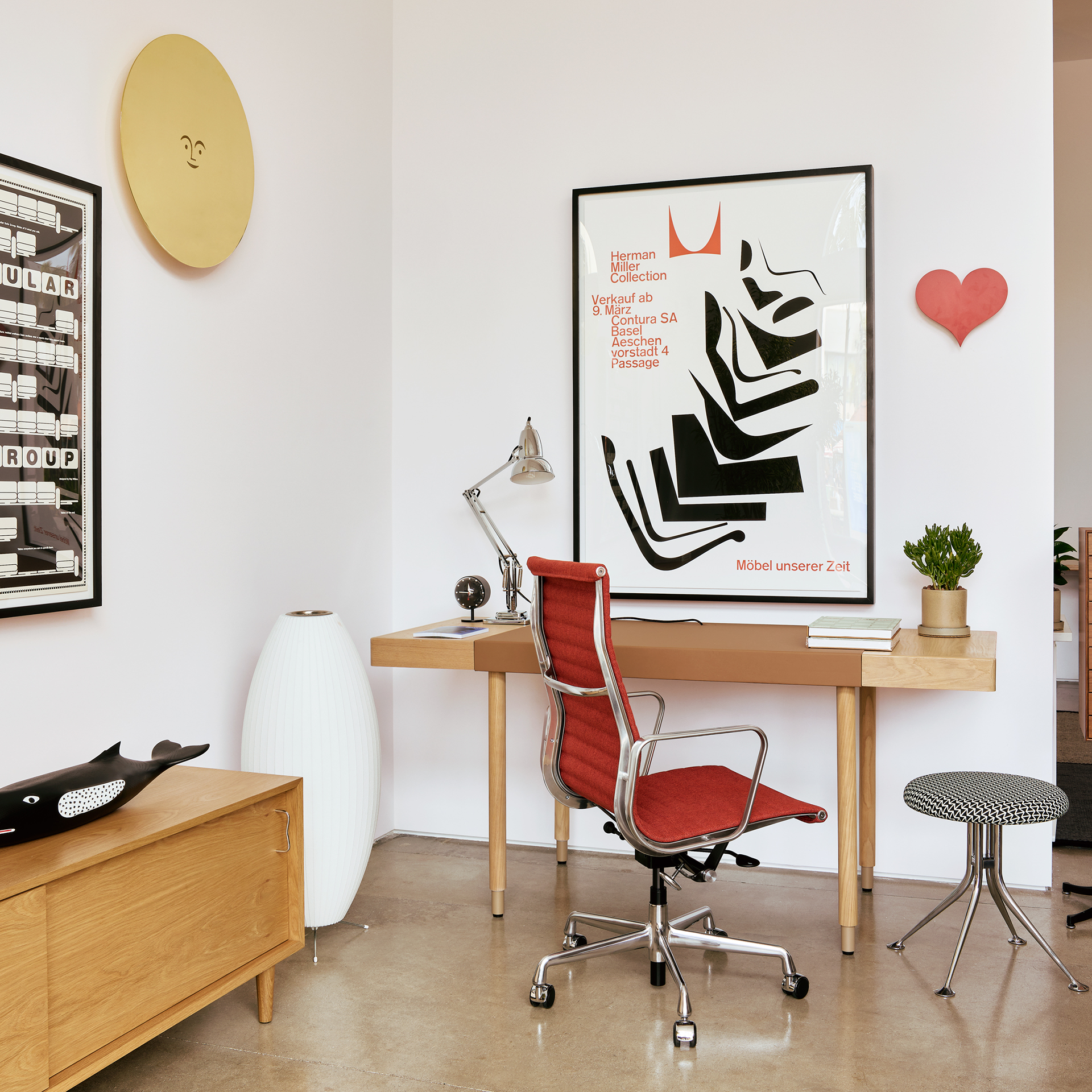
“Herman Miller is a trusted brand in the design industry, particularly for mid-century modern and transitional residential projects,” says South Bay designer Diane Barber. She points to the versatility of the collection, especially for creating classic yet inviting home offices that seamlessly connect with surrounding living spaces.
Today, leading design magazines regularly feature the Eames lounge chair and ottoman, and the piece holds a place in major museum collections worldwide. Its black leather upholstery and molded rosewood veneer frame have become icons of the mid-century aesthetic. Crafted for daily use without sacrificing luxury, its clean lines and disciplined minimalism account for its enduring appeal.
Charles Eames once said the chair was inspired by the traditional club chair and designed to evoke “the warm, receptive look of a well-used first baseman’s mitt.”
In an era of disposable, fast-produced interiors, Herman Miller’s signature pieces offer a deliberate counterpoint. Built to last, they become heirlooms. They age gracefully. Rooted in postwar modernism, they express a design ethos grounded in simplicity, innovation and functional comfort without compromising beauty. It is form following function in its purest expression—and anyone who experiences this iconic furniture line understands why it endures.
As mid-century modern continues to evolve alongside Scandinavian restraint and California coastal minimalism, these sculptural forms feel less nostalgic and more foundational. They provide structural clarity upon which contemporary styles can build.
The El Segundo showroom offers in-house design services, allowing clients to work directly with knowledgeable specialists to integrate these classics into modern homes—reinforcing the original philosophy that good design should be both livable and lasting.
Nearly a century after a Dutch immigrant’s name became synonymous with design excellence, Herman Miller remains rooted in history yet forward-looking—a global brand committed to American manufacturing, innovation and the belief that quality furniture should outlast trends.
In a culture that often replaces rather than restores, that permanence feels more meaningful than ever.