








Jose Lamas and His Family Keep El Sombrero Grounded in Making People Feel at Home
Casa y corazón.
- CategoryEat & Drink, People
- Written byTanya Monaghan
- Photographed byShane O’Donnell
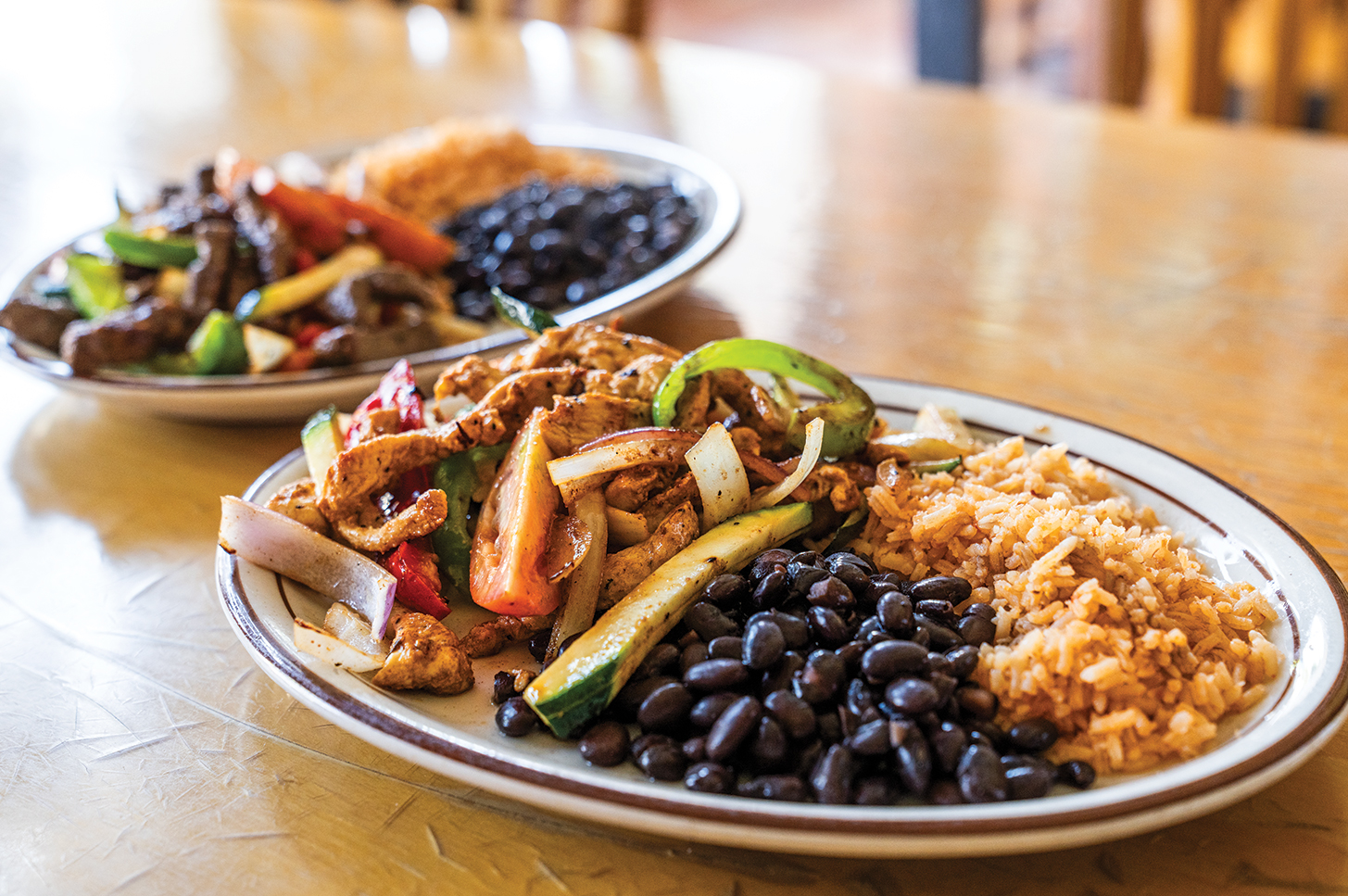
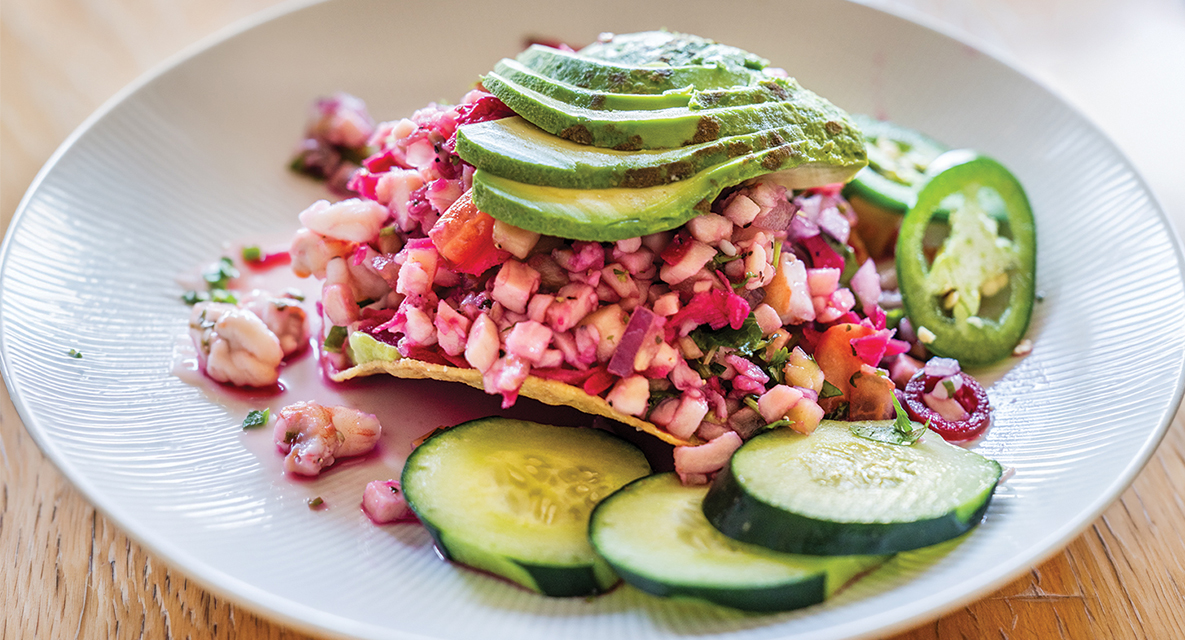
Walking into El Sombrero feels like returning to the home of an old friend. On a busy Friday afternoon, the familiar arches on Manhattan Avenue open into something increasingly rare: authenticity. The hum of conversation, the clatter of plates, and the scent of warm tortillas and grilled carne asada create an atmosphere that feels warm and unchanged, almost suspended in time.
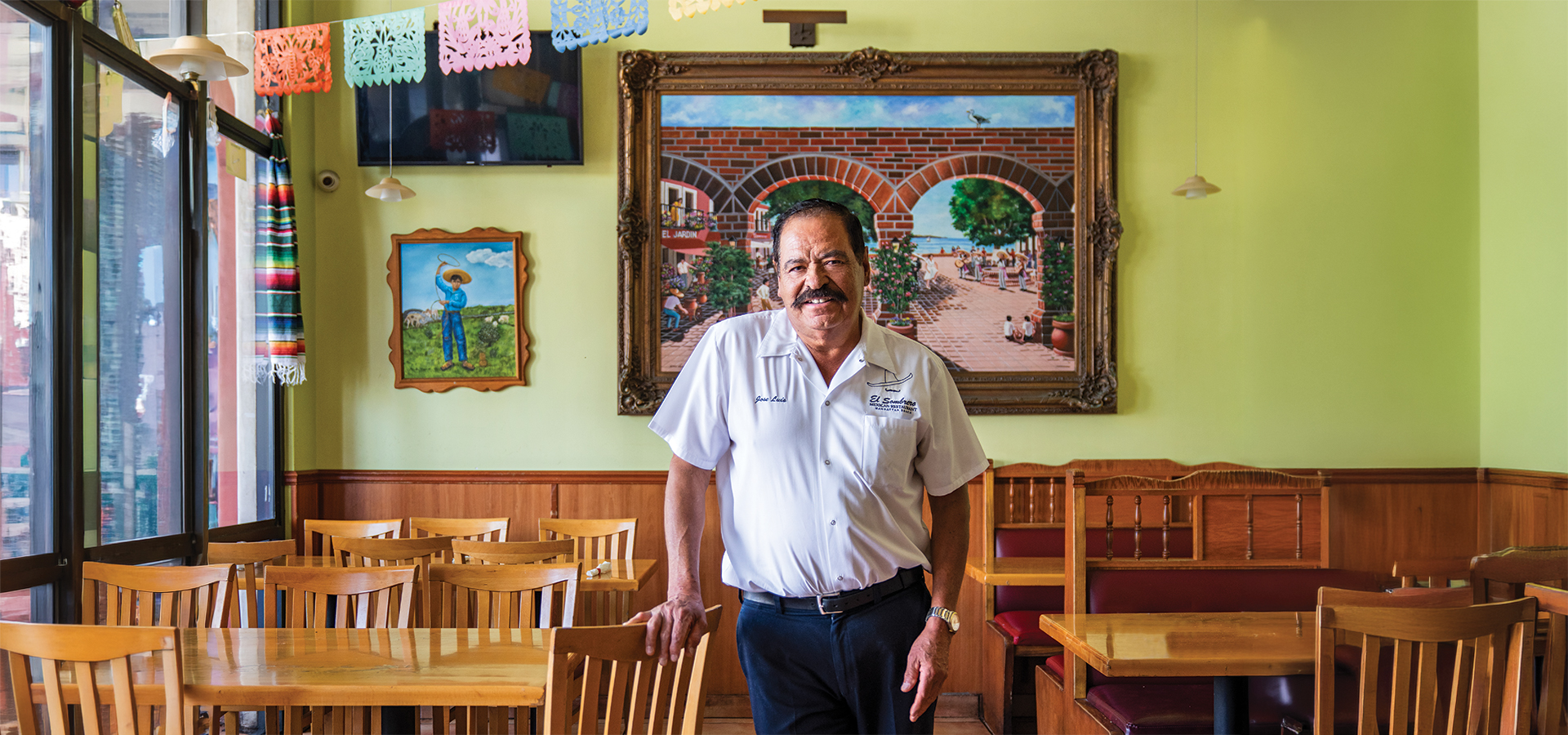
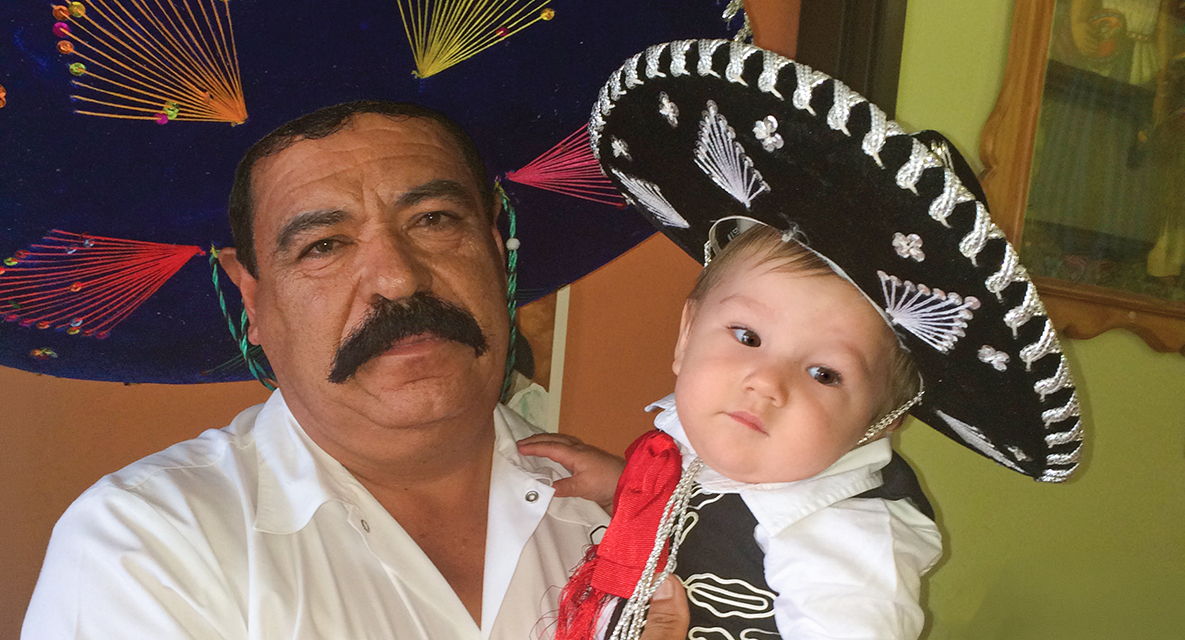
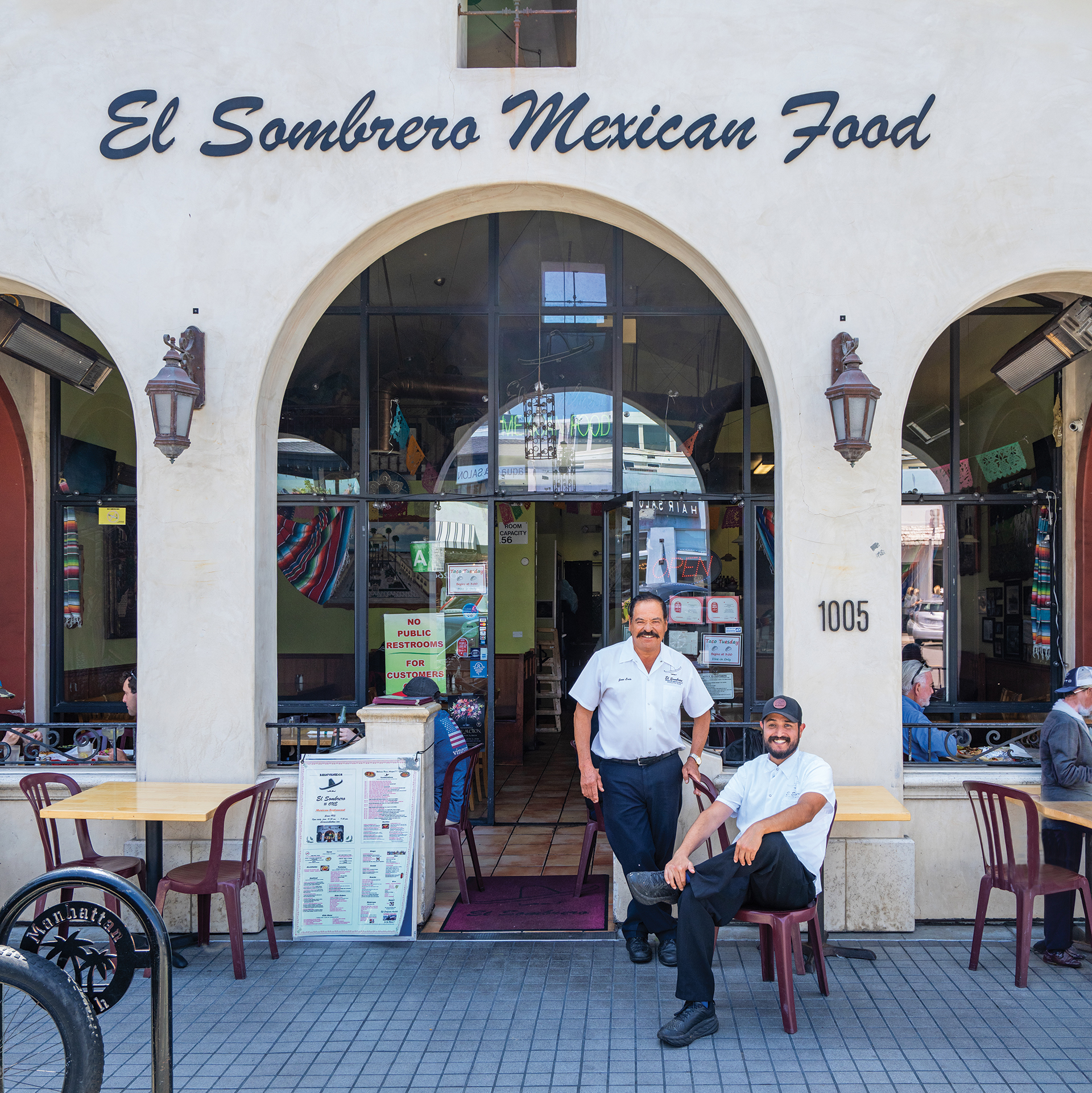
Jose Lamas stands behind the counter in his crisp white uniform, his signature mustache framing an easy smile. He greets guests with a handshake that makes them feel instantly welcome.
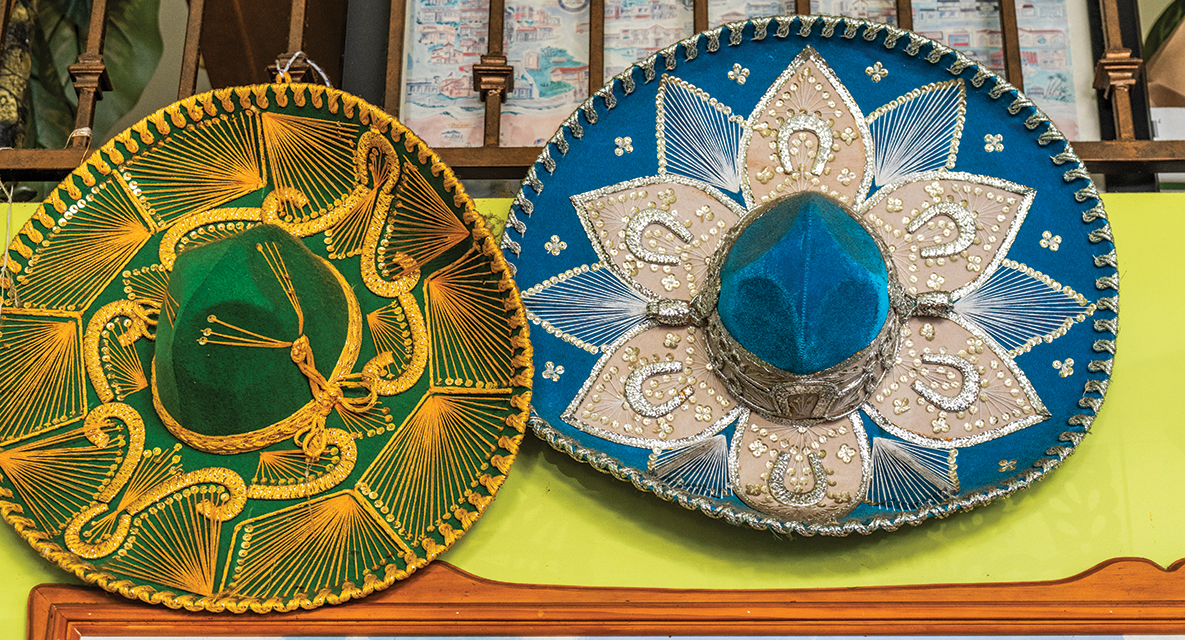
Inside, painted murals stretch across the walls, rich with color and culture. Sombreros hang overhead, while bright Mexican flags drape across the ceiling. The space feels festive without trying too hard, authentic in a way that cannot be manufactured. Among the décor is a painting of Jose as a young boy standing in a field—a quiet reminder of where the story began.
The restaurant buzzes with activity. Teenagers stop in after school, families gather around tables and longtime locals walk in without needing menus. Jose greets many customers by name, often with the phrase “Welcome home.”
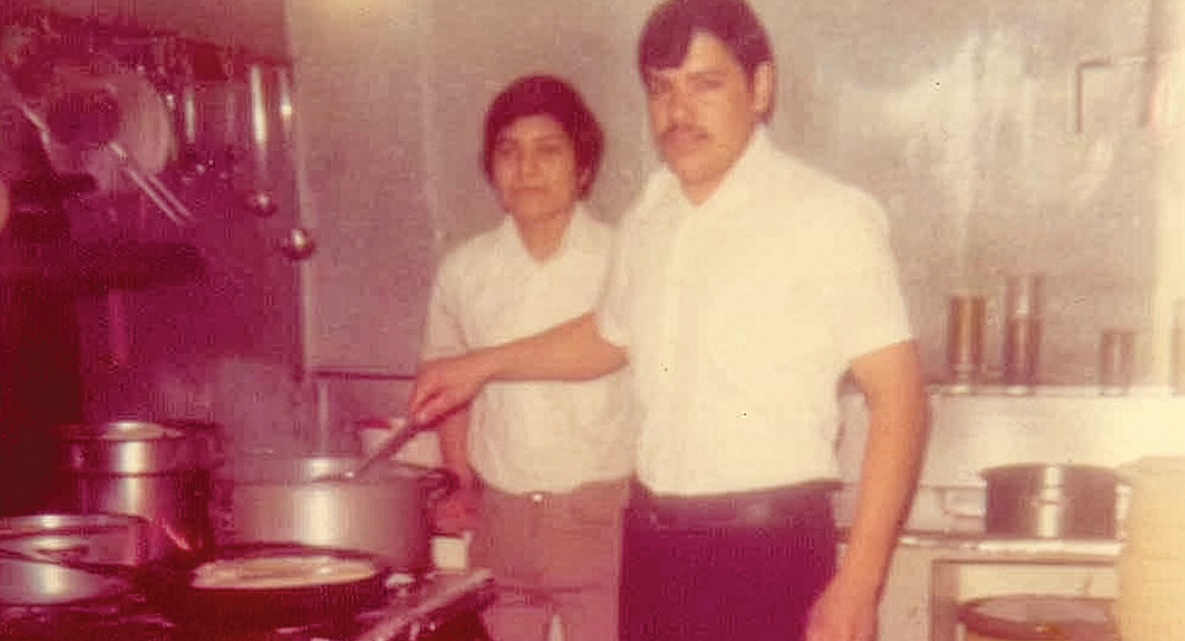
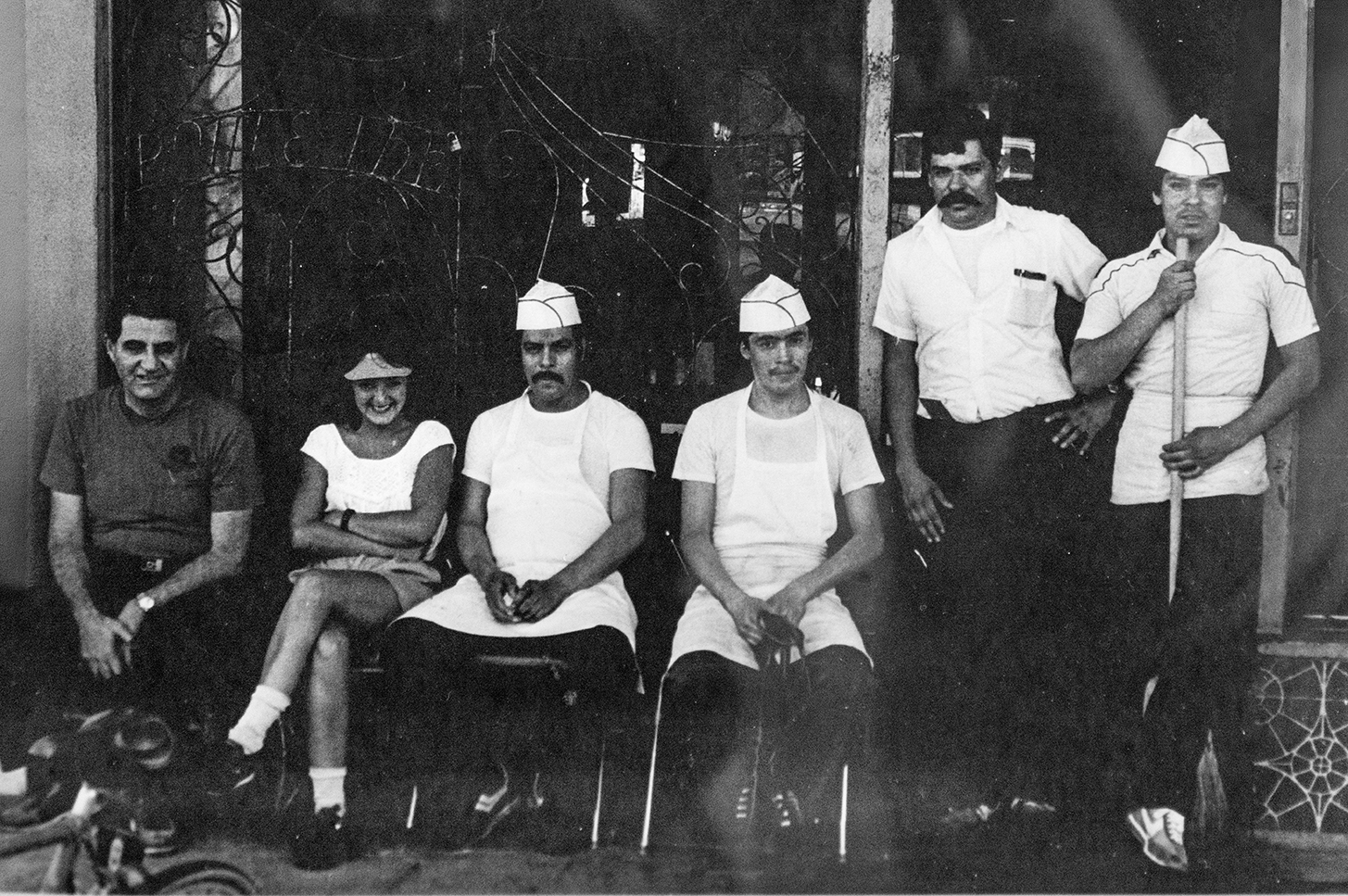
El Sombrero’s story began in 1975, when Jose’s father, Felipe Lamas, partnered with businessman Arek Abramyan to open a small Mexican restaurant just down the street from its current location. At the time, Felipe worked as a cook at El Tarasco.
After returning from a trip to Mexico, he discovered his position had been filled. Soon after, an opportunity emerged to build something of his own. That unexpected setback became the foundation of El Sombrero.
The original restaurant, remembered by many as a pink building near the La Mar Theatre on Manhattan Beach Boulevard, operated for five years before moving to its current home on Manhattan Avenue in 1980. Jose was still a teenager then, spending time around the restaurant long before officially working there.
“I started when I was about 17,” he says, “but I used to come every day before that.”
When Felipe passed away in 1990, Jose stayed and learned every part of the business. In 2005 he purchased the Manhattan Beach location, keeping it in the family. His brother Raul took over the second El Sombrero location in Artesia, which had opened years earlier.
Today Jose works alongside his son, Jose Jr., who grew up much the same way: around the restaurant, learning simply by being there.
“This place is like family,” Jose says. “The people, the customers … everybody.”
That sentiment is noticeable throughout the restaurant. Kids move comfortably between tables. Regulars are greeted warmly. No one seems out of place.
The walls tell much of El Sombrero’s story. Photographs line the restaurant, capturing decades of ordinary and meaningful moments. Children who once sat in booths now return with families of their own. Couples who first came here years ago still do.
One framed school essay, written by a young customer named Jake, describes El Sombrero as his favorite restaurant. He writes not only about the food but about the feeling of being there: the warmth, the familiarity and the sense that the place matters.
For generations of South Bay families, El Sombrero has been woven into everyday life. It is where people gathered after school, after the beach or after games. Parents trusted it as a place where kids could safely spend an afternoon with a few dollars and leave happy.
Jose remembers a moment that reflected that confidence. It is a simple story, but it captures everything the restaurant represents.
“I remember two kids, maybe 10 years old, who came in alone,” he says. “They told me their mom dropped them off and would come back later. I felt very happy because they trusted us.”
In 2006, the restaurant’s future was shaken when a fire forced it to close. The building had to be completely rebuilt, and for three years El Sombrero sat dark.
When it reopened in 2009, there was no guarantee customers would return. Time moves quickly in the South Bay. Habits change. Restaurants come and go.
But during the years it was closed, customers stayed connected through small, meaningful gestures. Children sent postcards. Families checked in. The bond had not disappeared. El Sombrero rebuilt itself slowly and steadily, “little by little,” as Jose describes it.
Years later, the pandemic brought another wave of uncertainty. Like many small businesses, El Sombrero shifted to takeout service while navigating closures, restrictions and constant unpredictability. Outdoor dining offered a temporary lifeline, though not without challenges.
But the same thing that carried the restaurant through the fire carried it through the pandemic: community. Regulars continued showing up. One customer quietly offered financial help when it was needed most. The foundation held.
There has never been a grand strategy behind El Sombrero’s longevity. No dramatic reinvention. No trend-driven pivot. Its success comes down to authenticity, warmth and care.
Jose still shops for ingredients himself. He still moves through the restaurant with purpose. He still greets customers like guests in his own home.
“I love the kids,” he says. “I start with them when they are babies.”
For him, the restaurant has never been about turning tables. It has always been about building relationships that last for decades.
By the end of the afternoon, El Sombrero is just as full as it was earlier. Orders are called out from the kitchen. Kids laugh between tables. Someone waves to Jose from across the room, and he waves back without missing a beat.
“See you mañana,” he calls out, a phrase that has become something shared between Jose and the community, exchanged from car windows and across sidewalks.
In a town that is constantly evolving, El Sombrero has endured by remaining exactly what it has always been: a place to gather and to return to. It still feels like home.