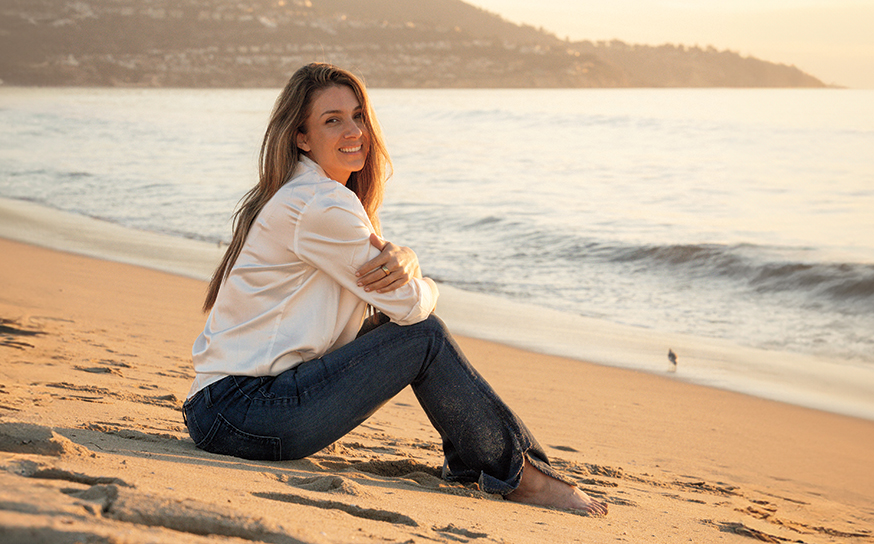









You don’t meet someone like Allison Hales and easily forget it. Striking and unmistakably poised, she carries a natural presence that commands attention. But what lingers long after the first impression isn’t her beauty. It’s her resilience.
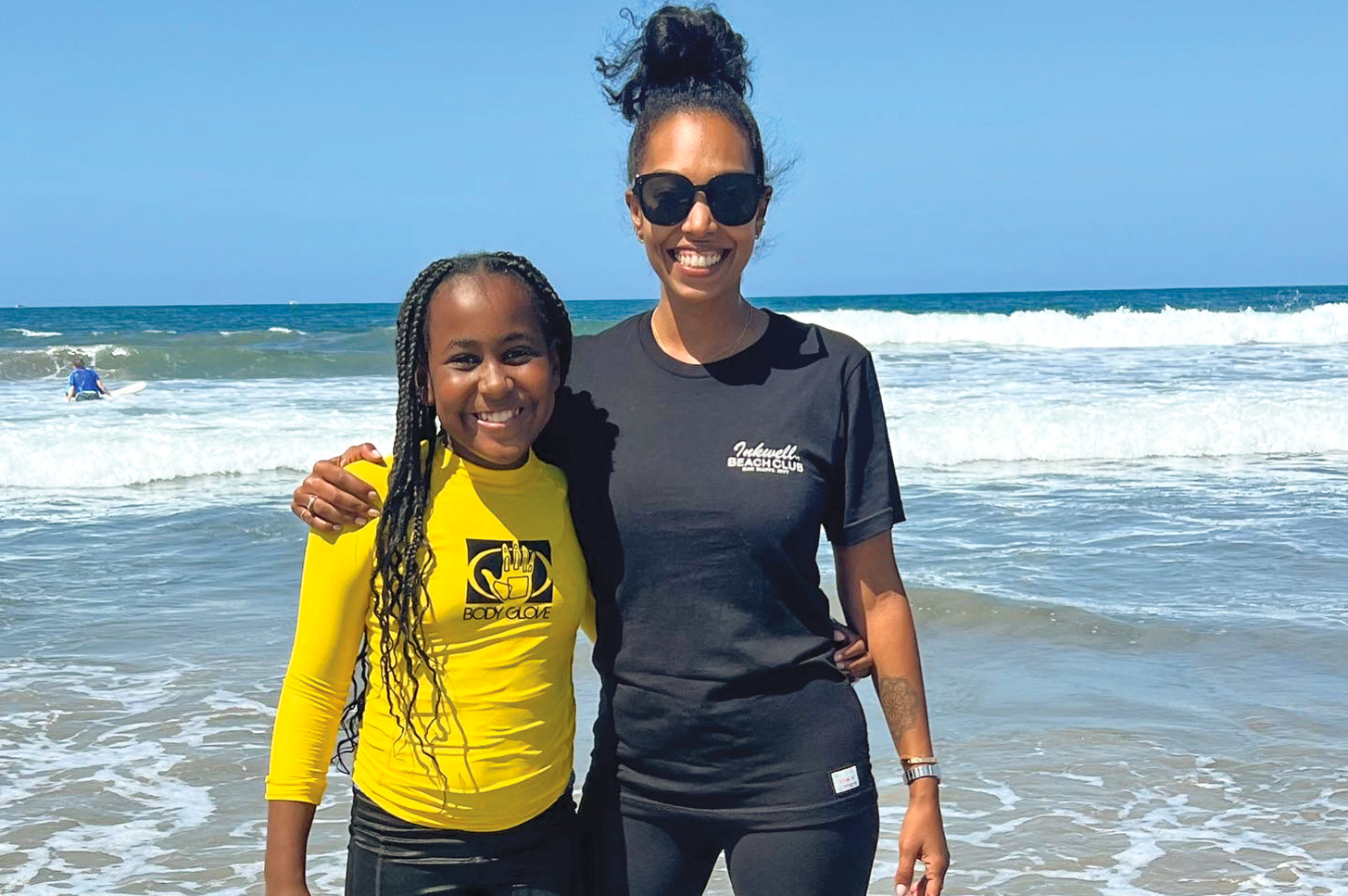
Allison Hales and participant
“I was born and raised in London,” she says. “My mom’s Jamaican, my dad was English. We were working class. My dad was a security guard; my mom worked for the government. Education was everything.”
She grew up in a home filled with music. “Music has been the factor of my life. It’s brought me through every single stage. It’s my therapy,” Allison explains.
Her father spent what, for a working-class family, felt like a fortune on a hi-fi system. The 1983 Linn Sondek turntable remains a relic of love—restored years later in Manhattan Beach.
But childhood was marked by trauma. When Allison was 13, her godbrother Stephen Lawrence, just 18, was murdered in a racially motivated knife attack in London.
“It’s twofold. One, giving kids who don’t have the privilege of the ocean access to it. And two, making sure the kids here are exposed to diversity in real life, not for the first time in college.”
“We found out at the school assembly the day after I walked home with him and the day before my birthday,” she says.
The killers were not immediately prosecuted; it took 15 years for justice to inch forward. Then when she was 18, her father died following a cycling accident.
“I planned the funeral, and I had just turned 18,” says Allison, her voice softening. “I think I’ve always had this resilience. I don’t know if it’s the Jamaican side, the English side or something I was born with. But I just carried on.”
She left home at age 15, worked retail at Gucci and Harrods, and did nails to pay her way through university. In what feels characteristically “Allison,” she manifested a career in the music industry.
After a chance encounter at a club in London, she secured an internship that led her to New York in 2003 with one suitcase and a dream. She worked with artists including Mariah Carey, Mika, Nine Inch Nails and many others, spending her 20s touring the world.
“It was everything,” she says. “Access, excellence, artistry. But I worked my ass off.”
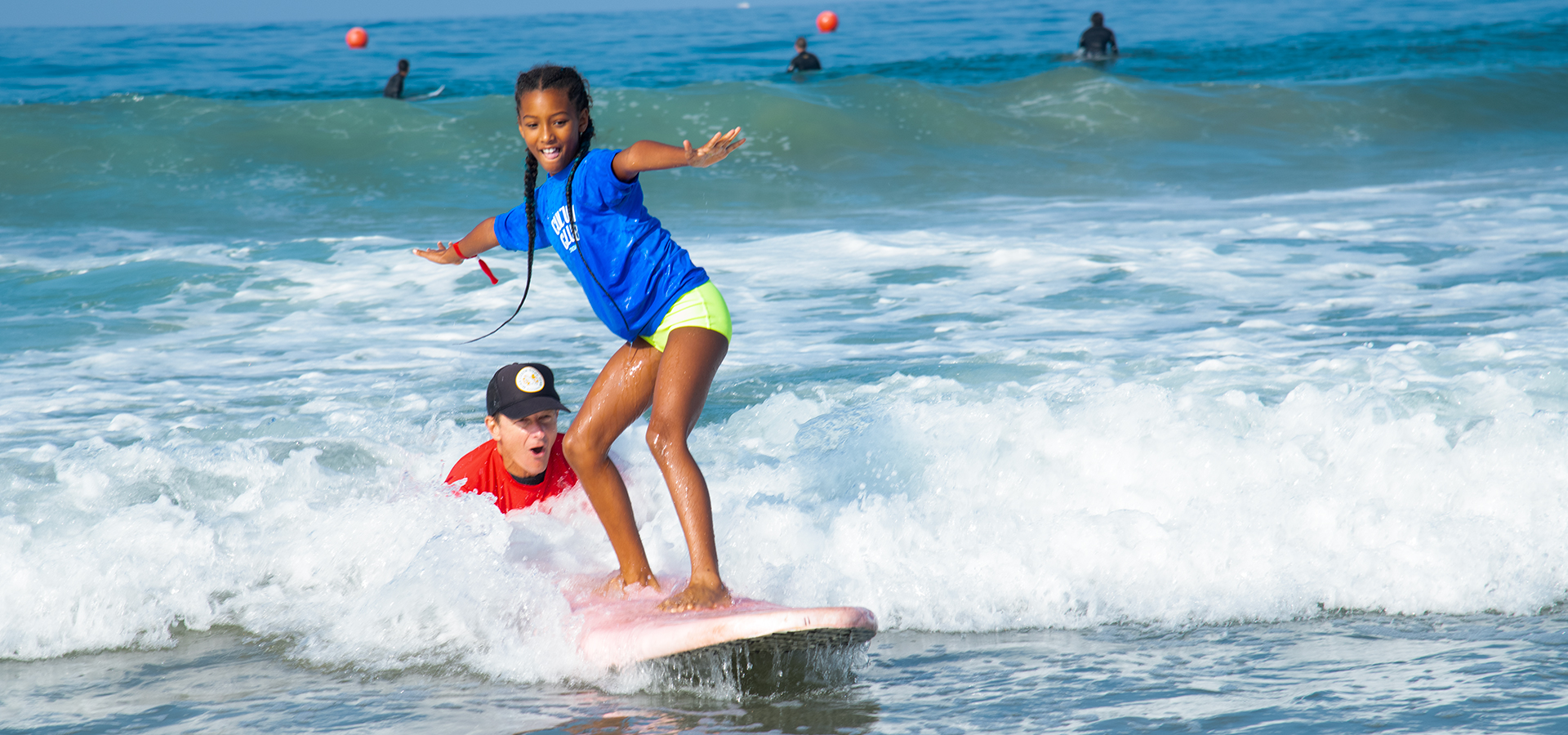
Eventually, that life, glamorous and relentless, gave way to something different. She moved west, discovered triathlons and began driving from West Hollywood to Redondo Beach at 6 a.m. to swim in the ocean.
“When I was in the water, I felt like my dad was with me.”
In 2018 Allison signed a lease sight unseen on a small cottage on 26th Street overlooking Bruce’s Beach.
“I painted it all white. Everything fit perfectly. It felt magical,” she says. “For the first time in America, I felt community. People said good morning. I knew my neighbors.”
Then 2020 arrived. COVID-19 locked down the city. The names George Floyd, Breonna Taylor and Ahmaud Arbery came in waves. The story of Bruce’s Beach resurfaced in the national conversation. Protests filled the park outside Allison’s window.
“I was one of the only Black people I saw for weeks,” she recalls. “I knew Manhattan Beach was predominantly White, but during lockdown, I felt it. I didn’t see myself.”
For the first time in more than two decades in America, she says, “I felt very Black,” a realization that collided with the trauma she had carried since childhood. “It was triggering. My godbrother was murdered by five White 18-year-olds. A hate crime. So when I saw Ahmaud Arbery hunted down, it was the same.”
Allison began attending city council meetings. Listening. Speaking. She joined the Bruce’s Beach Task Force as one of the few Black voices in the room.
“I went in naively optimistic. I thought we were all on the same page”—but she was not. “It was one of the most traumatic eight months of my life. I had to step into a role I’d never had to before, to be ‘the Black woman.’”
But from that experience came clarity. “I wanted to create real impact, not just a plaque, not just words.”
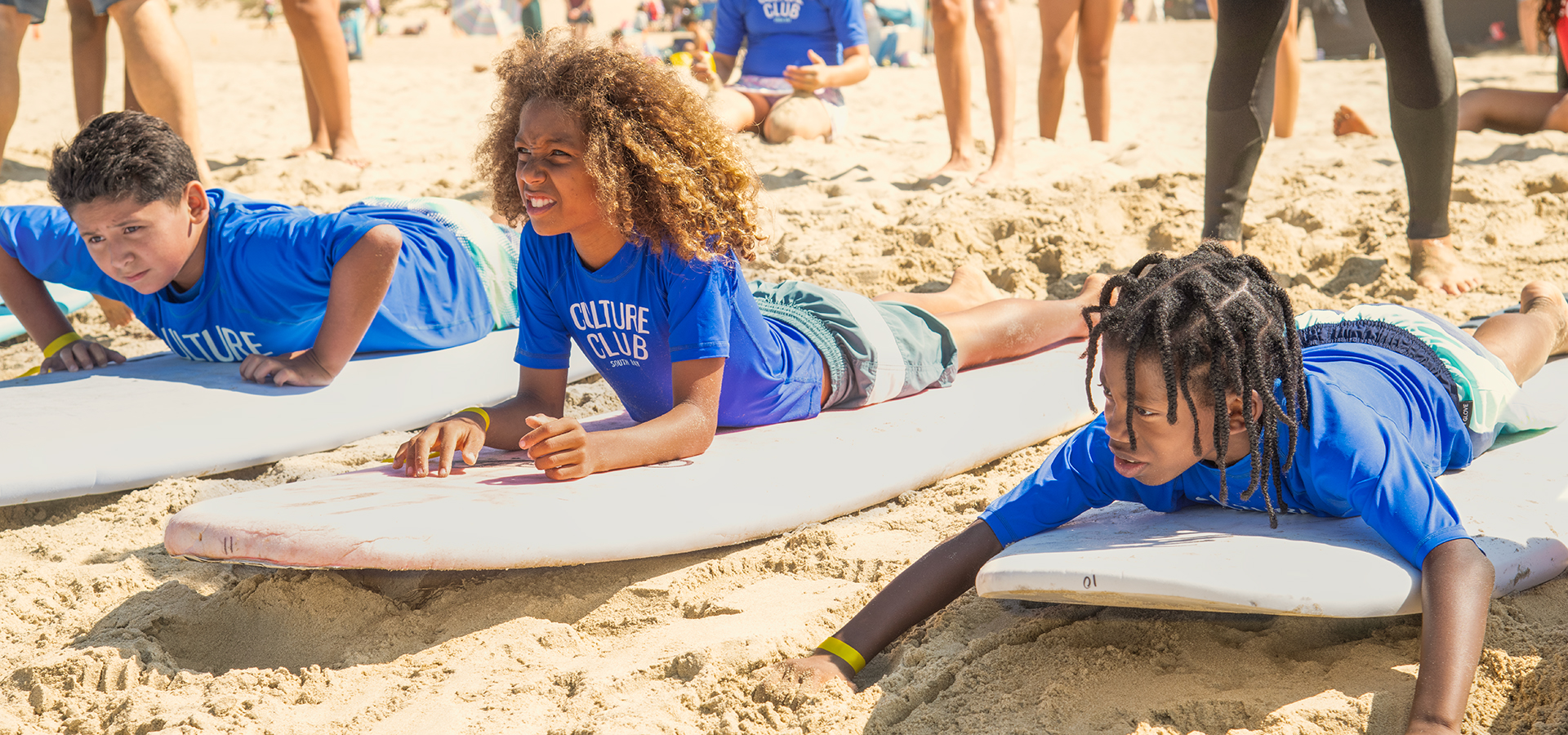
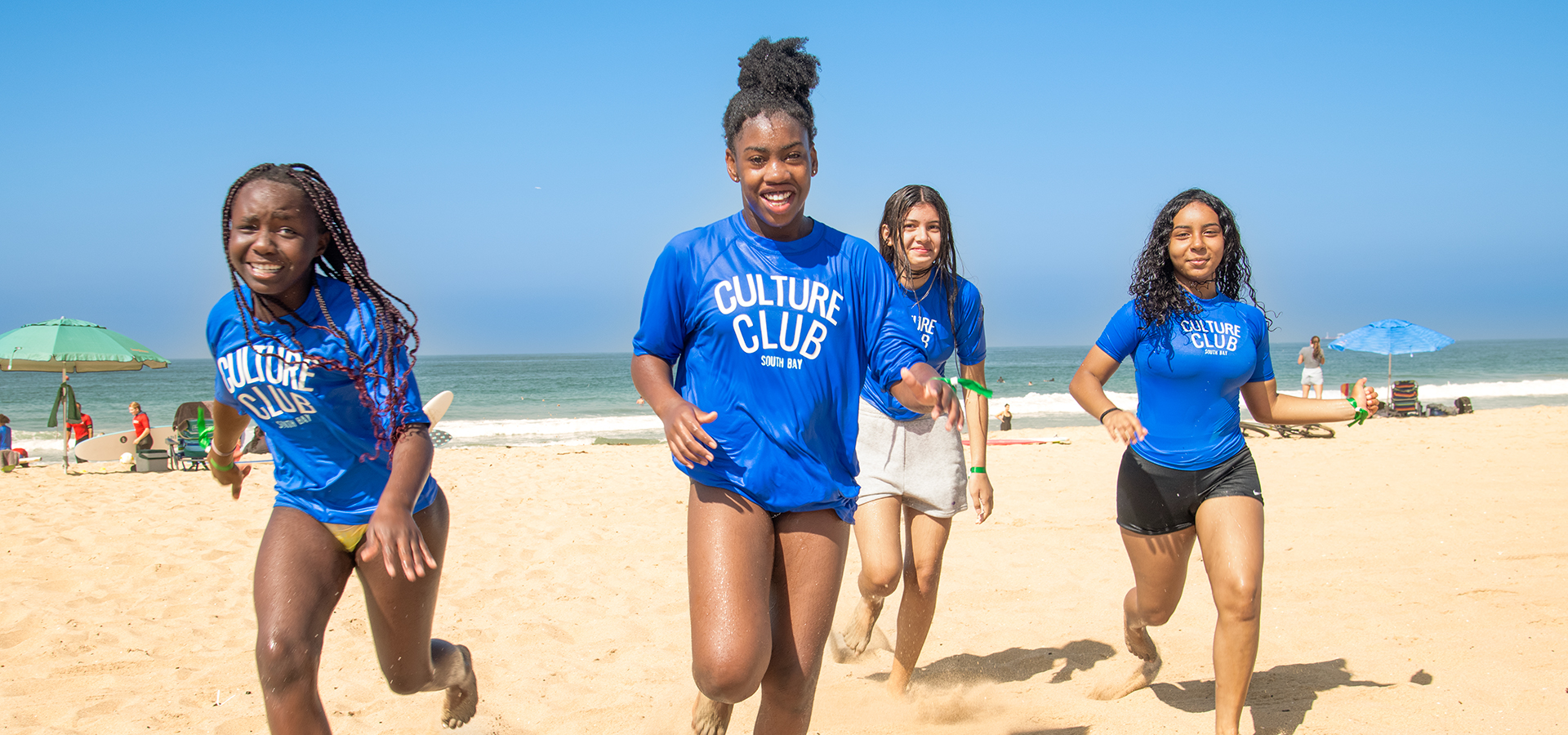
Allison’s proposal: bring inner-city Black and Brown youth—young people without access to the ocean—to the beach to learn surfing and volleyball. The goal was belonging, and exposure in both directions.
“It’s twofold,” she explains. “One, giving kids who don’t have the privilege of the ocean access to it. And two, making sure the kids here are exposed to diversity in real life, not for the first time in college.”
The task force rejected the proposal. She built it anyway. Culture Club was officially born in 2021 after she produced the first Juneteenth celebration at Bruce’s Beach, supported by leaders including Congressman Ted Lieu and Los Angeles County Supervisor Janice Hahn.
“Tour managing prepared me for this,” Allison laughs. “It was seamless.”
From there, Culture Club evolved into a nonprofit dedicated to equity, access and cross-cultural connection in the South Bay. Its mission: to create opportunities for underserved youth to experience the beach through surf lessons, volleyball clinics, ocean safety education and community-building events while inviting South Bay volunteers to learn and participate alongside them.
Community members stepped forward, local surfers, volleyball coaches and neighbors who once simply exchanged morning greetings.
“It wasn’t just me,” she says. “People had my back. That’s what gave me the courage to keep going.”
Today, Culture Club stands as a bridge between past injustice and present action, between the legacy of Bruce’s Beach, once owned by Black entrepreneurs Willa and Charles Bruce before it was wrongfully seized, and a new generation of children who deserve to feel welcome on that sand.
Allison’s life has long been about access, to music, to global stages, to rooms many only read about. What moves her now is something quieter: the sight of a child who has never touched the ocean running toward it for the first time.
“I want them to feel like they belong here,” she says softly. “Because they do.”
In a town where the ocean has long symbolized privilege, Allison is steadily widening the shoreline and, in doing so, redefining what community can look like.