

Three Generations of the Varon Family Have Built a Legacy of Treasured Memories and Community Ties
The family jewels.
- CategoryPeople
- Written byDarren Elms
- Photographed byShane O’Donnell
Long before online shopping, digital design and luxury watches became part of the landscape at Morgan’s Jewelers, there was a young couple with an eye for beautiful things and a determination to build something lasting.
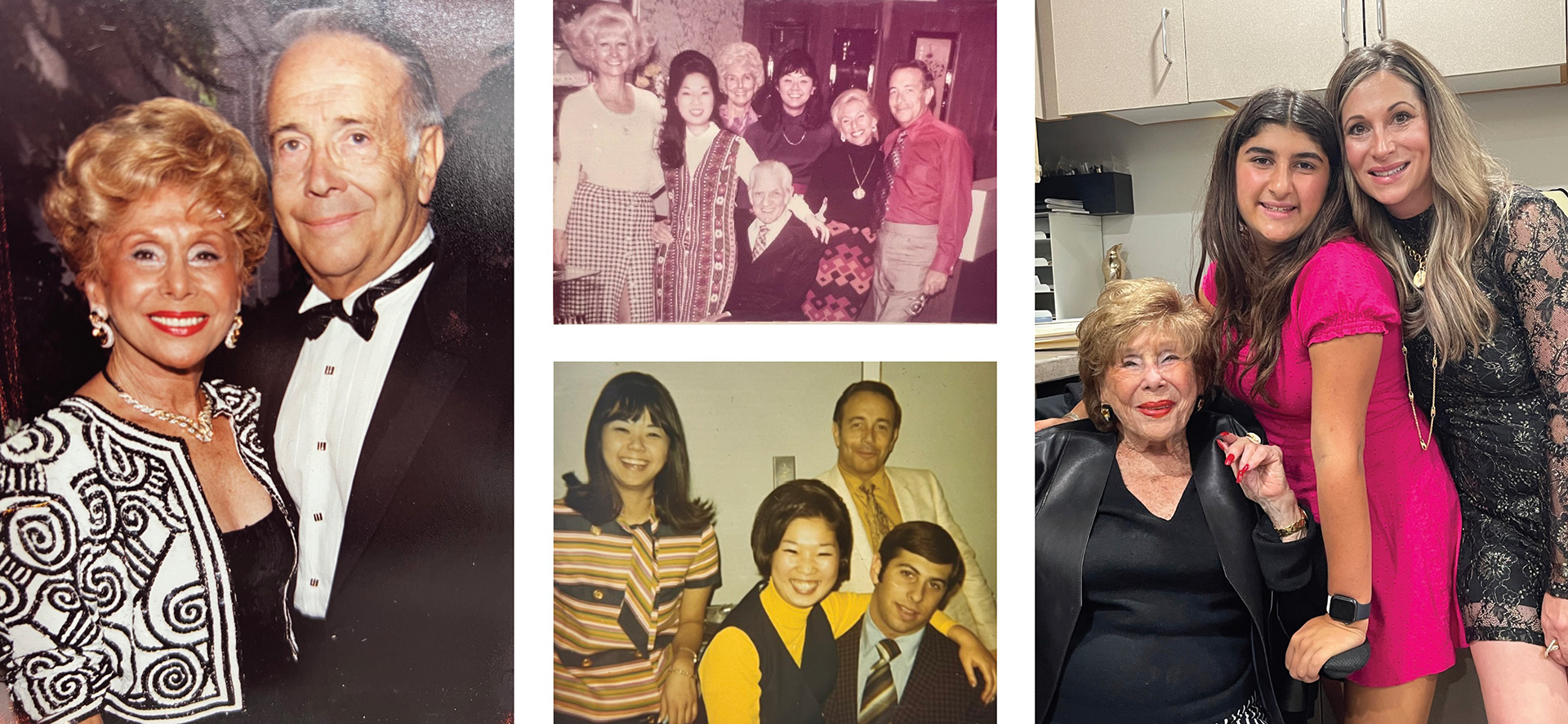
In 1946, as America emerged from World War II, Morgan and Helen Varon embarked on a venture that would become much more than a jewelry business. Eight decades later, their namesake store remains in the family, its history intertwined with that of the South Bay and the generations of customers who have walked through its doors. For the Varons, celebrating 80 years is as much about the people and relationships that have shaped their lives as it is about the business itself.
The story began when Morgan, who had partnered with his brother in a small jewelry store in Huntington Park, decided to strike out on his own. After five years, he and Helen opened a larger store bearing his name in the promising new Del Amo shopping center. Together they established a business that reflected their shared curiosity, adventurous spirit and appreciation for craftsmanship.
The couple traveled extensively, from Italy to Asia, seeking out unusual gemstones, handcrafted jewelry and decorative objects that were difficult to find elsewhere. Russ Varon, their son, remembers the excitement surrounding those journeys.
“They always had incredible style and taste, with a natural eye for emerging trends and, more importantly, for pieces that were truly unique,” he recalls. “They would return with the most beautiful designs, often handcrafted by old-world Italian gold artisans and stories to go along with each piece.”
But the most enduring lessons Russ learned from his parents had little to do with precious stones. “I remember spending time around the store and watching my parents interact with customers. The business felt like an extension of our home. There was a personal connection to everything they did, and it was never just about selling jewelry.”
As a boy, Russ learned machine engraving, simple benchwork and the fundamentals of selling—all under his father’s watchful eye. His brother, Marshall, also became part of the family enterprise, and together they would eventually carry forward what their parents had created.
Neither could have known how dramatically the jewelry industry would change over the ensuing decades. Yet the family’s approach to doing business, grounded in personal relationships and a sense of responsibility to customers, proved remarkably durable.
Melissa Varon Weinberg, Morgan and Helen’s granddaughter and Marshall’s daughter, saw the store as a childhood playground unlike any other.
“My sister and I absolutely loved being at the store, mostly because it meant we got to be around our grandparents,” she remembers. “We would play with the cash register, dig through boxes of gemstones, learn about all the different jewelry and play dress-up with these fabulous little gold mesh purses that we thought were the most glamorous things in the world.”
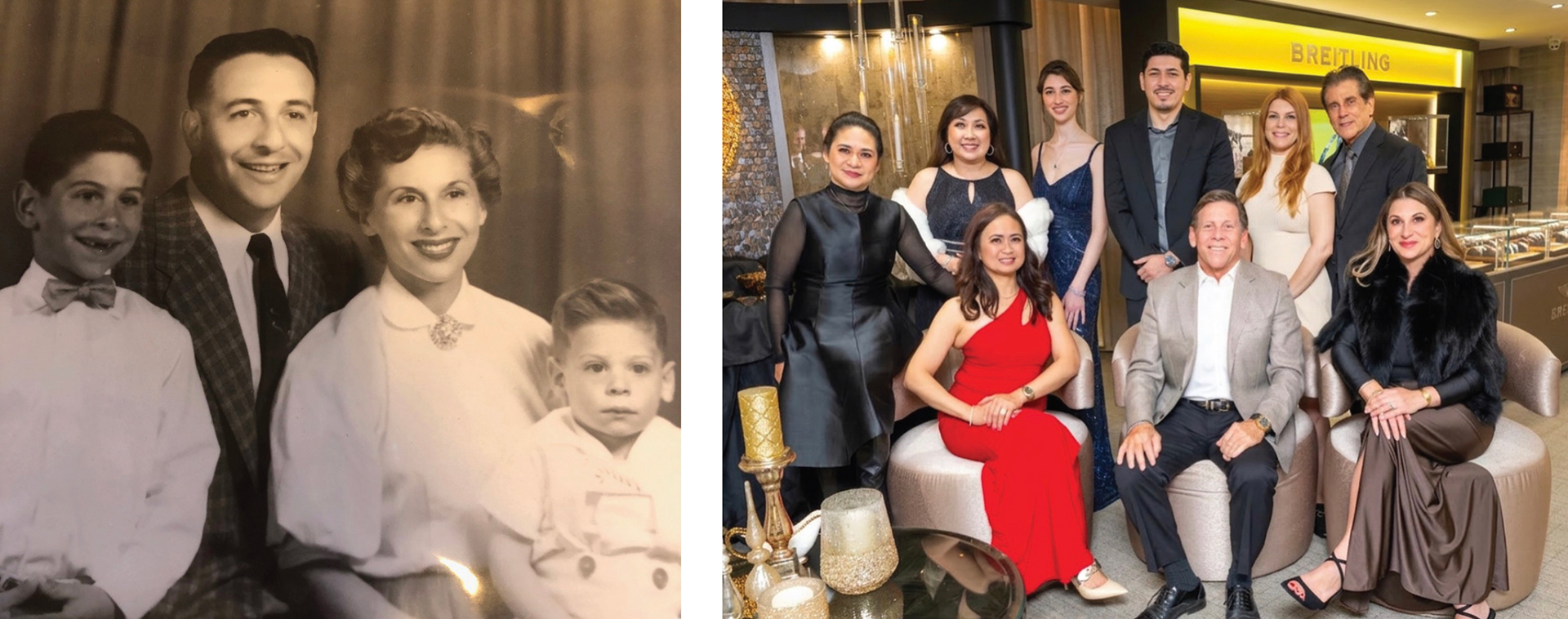
The glittering merchandise may have captured the girls’ imaginations, but the family atmosphere made the deeper impression. Melissa remembers laughter, conversation and familiar faces. Customers often stopped by as much to visit as to shop, and children who once accompanied their parents eventually returned as adults marking milestones of their own.
“At the time, I don’t think I realized how unique that experience was,” Melissa says. “Now, as a mother and the third generation of our family business, I appreciate those memories in a completely different way.”
Her grandmother, Helen, now 101, remains an especially powerful influence. A businesswoman at a time when relatively few women occupied such roles, Helen demonstrated that determination and kindness could coexist.
“She showed me that you can be strong and successful without losing your kindness or your sense of humor,” Melissa says.
Even today, customers occasionally tell Melissa about a brief encounter with Helen decades earlier that they have never forgotten. Those recollections speak to something that cannot be measured on a balance sheet: the impression one person can leave on another.
Melissa also credits her father and uncle with teaching her to recognize exceptional craftsmanship, maintain high standards and stand behind the family’s work. “They didn’t just tell me these things,” she explains. “They demonstrated them every day.”
Over the decades, Morgan’s has witnessed the South Bay’s transformation from a collection of growing postwar communities into the bustling region it is today. The store’s departure from Del Amo in 1993 to a standalone space nearby marked another chapter, but the move did not sever relationships established over generations.
Jewelry stores occupy an unusual place in people’s lives. They are often associated with occasions that become part of a family’s collective memory, such as a marriage proposal, a graduation, the arrival of a child or an anniversary celebrating decades together.
Melissa says those connections make the work rewarding: “I love that we get to be part of so many important moments in people’s lives.”
Her own jewelry box tells a similar story. Among the pieces she treasures are a bracelet engraved with her children’s names and given to her when her first child was born, a ring that belonged to her grandmother and a watch from her husband commemorating an anniversary.
“The story behind a piece can make it even more meaningful than its monetary value,” Melissa says.
The family’s relationship with the community extends throughout the South Bay. Over the years, the Varons have devoted time and support to organizations including Torrance Memorial Medical Center, the American Cancer Society, Guide Dogs for the Blind, Sandpipers and National Charity League. Their involvement reflects a belief that being part of a community carries obligations beyond earning a living there.
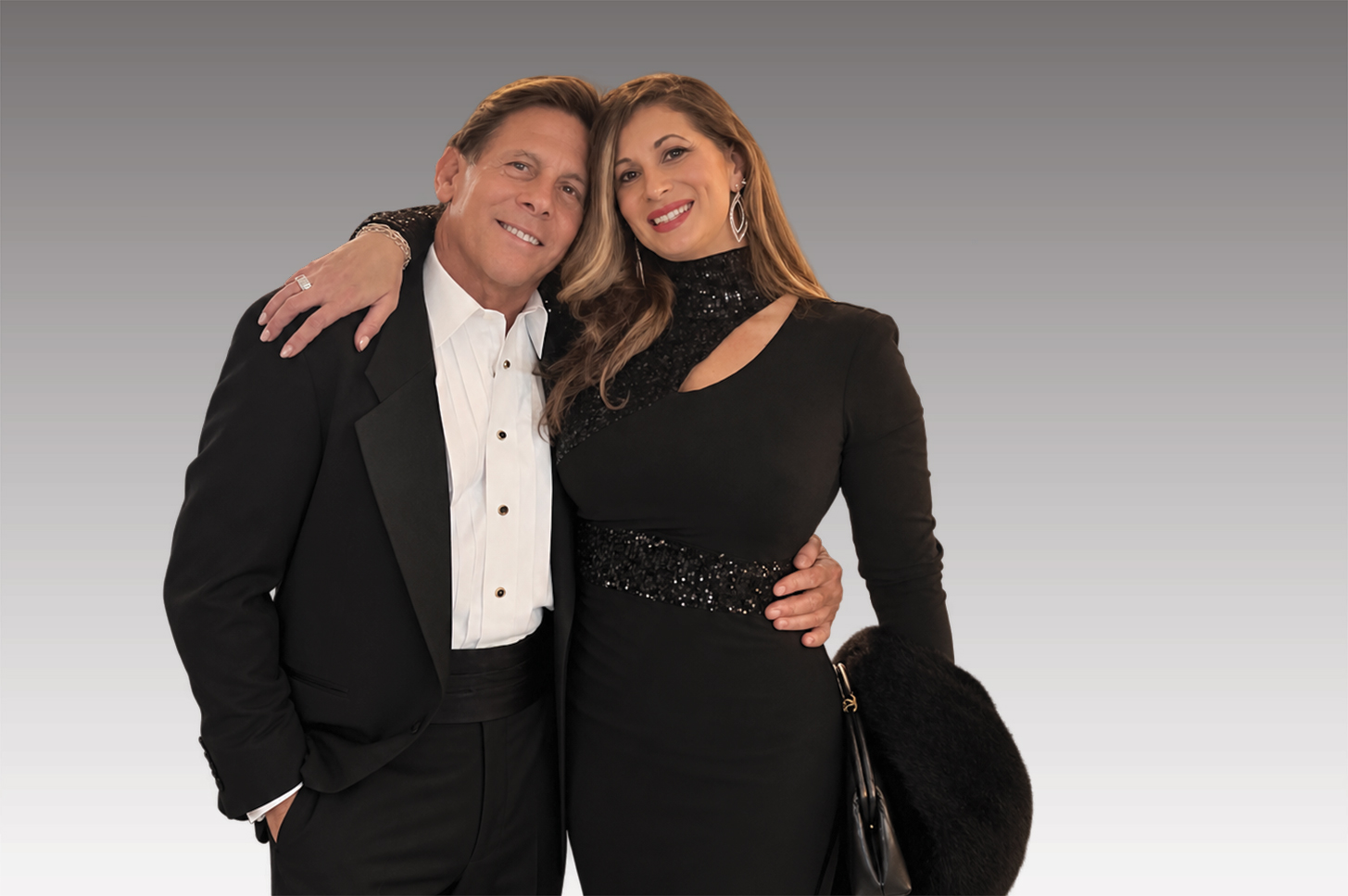
Russ and Melissa
That connection has worked both ways. The loyalty of local families has sustained Morgan’s Jewelers through economic fluctuations, changing shopping habits, and the arrival of national retailers and digital competitors. Russ acknowledges that he misses some of the simplicity of earlier decades, when word of mouth and face-to-face conversations were the foundation of nearly every customer relationship.
“What hasn’t changed is the importance of trust,” he says. “No matter how much the industry evolves, people still want to know that they’re dealing with someone who genuinely cares about them.”
Today, Morgan’s embraces innovations its founders could scarcely have imagined, including computer-aided jewelry design and online shopping. Its offerings have evolved, too, with fine jewelry and intricate luxury timepieces reflecting changing tastes and interests.
Russ remains fascinated by the engineering of mechanical watches, particularly the remarkable precision required to make hundreds of tiny components work together. For him, they represent a meeting of artistry, history and ingenuity.
But as the business evolves, so does the family’s leadership. Russ is gradually reducing his schedule, hoping to make more time for travel and golf while remaining involved in the work he still enjoys. Watching Melissa assume greater responsibility has brought him particular satisfaction.
“I don’t expect the next generation to run the business exactly as we did,” he says. “I want them to bring their own perspective while holding on to the values that got us here.”
Melissa shares that outlook. She recognizes the importance of reaching younger customers and adapting to how they discover, research and purchase jewelry. At the same time, she believes the personal relationships that distinguished her grandparents’ store remain essential.
“Growth doesn’t mean losing our identity. It means finding new ways to share it,” she says.
And what about a fourth generation? Melissa admits she has imagined watching her son sell his first watch or designing a jewelry collection with her daughter. But she is equally clear that neither child should feel obligated to follow the family path.
“I would never want my children to feel that taking over the family business was something they had to do simply because of our history,” she says.
It is a perspective that reflects the family’s evolving understanding of legacy. The most important inheritance may not be a store or a collection of gemstones but the values passed between generations.