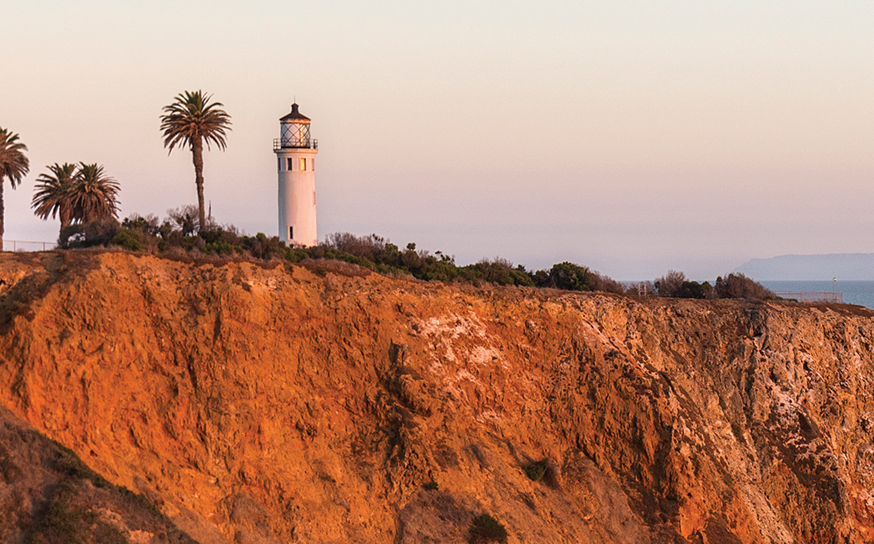


I have a love-hate relationship with gentrification in San Pedro. Like so many residents who care about their town, I want to see the community succeed. As plans unfold for West Harbor and the 2028 Olympics, bringing renewed attention to its future, I find myself thinking about the people and places that made San Pedro so distinctive.
As San Pedro changes, Harold’s work gives us a way to understand the community he knew and see the people whose lives might have otherwise gone unnoticed.
One of those people was artist Harold Plople. One of those places was Harbor View House.
The building at 921 South Beacon Street opened in 1926 as the Army and Navy YMCA, providing accommodations and recreation for servicemen. Its later life as a residence for people struggling with mental illness and addiction brought together another community. Within it, an art studio and adjoining gallery called the Living Museum offered residents an opportunity to create art and share it with others.
I came to know that community through my work at Palos Verdes Art Center. My friend Alisa Stein Schwaneberg managed the Harbor View House studio from 2009 to 2015. Our friendship became a partnership between the two institutions. She brought residents to the art center, and I led exhibition tours and taught related art projects.
Under Alisa, the studio was a place where people felt good about themselves. Occupying two former racquet-ball courts, it had high ceilings and ample room to work. Some residents made art; others came to sit and talk. For people who had experienced homelessness, illness and estrangement from family, the studio offered safe haven.
A resident for seven years, Harold Plople was already living independently when Alisa arrived at Harbor View House, but he continued going to the studio daily. She remembers nights when he produced 25 to 30 paintings and brought them to her the following day.
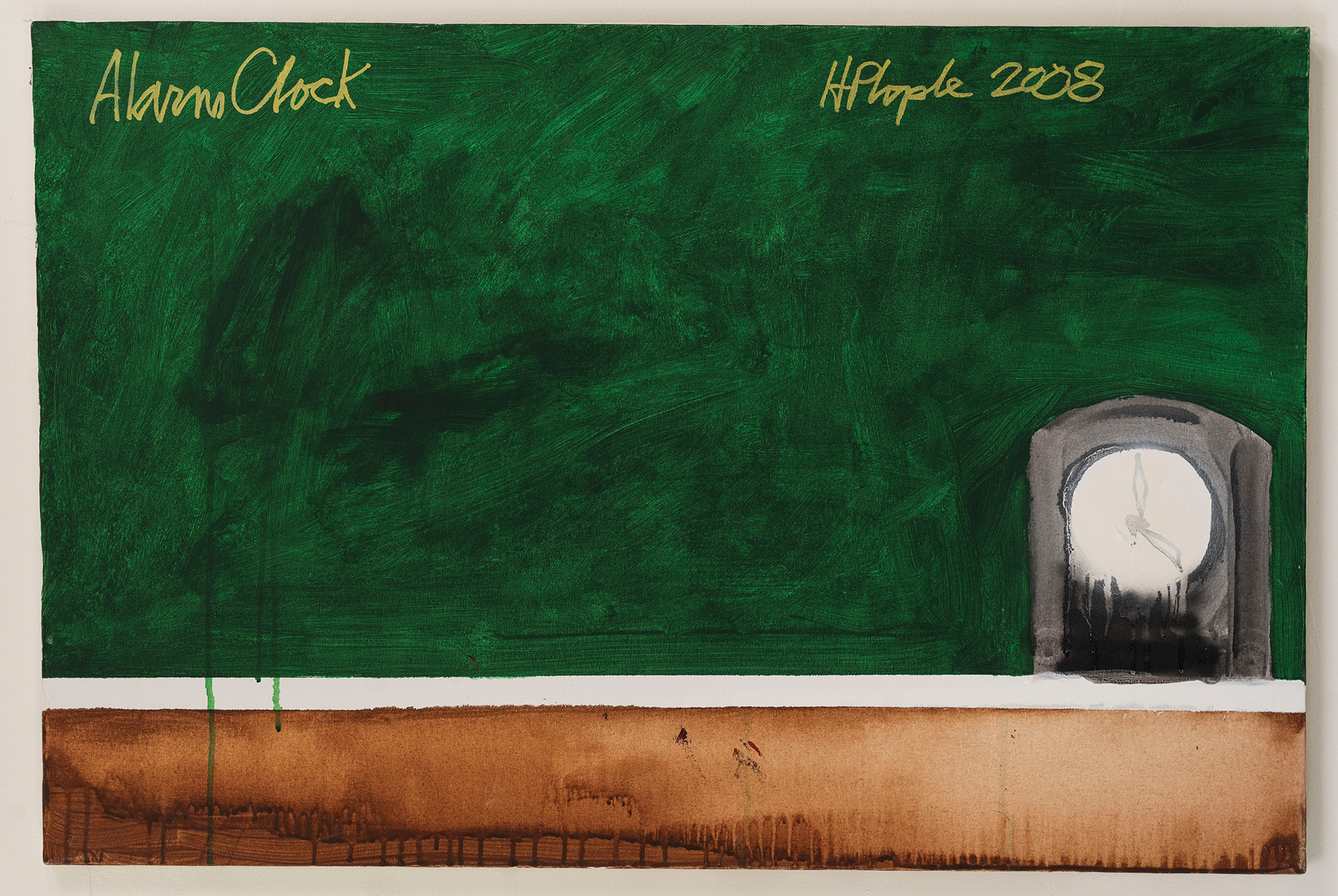
“I would go through every one, and they were all terrific. He painted from his heart and what was going on in his mind,” she recalls.
Born on an Indiana farm in 1946, Harold began drawing at age 7 and painting at 14. His early success as a cartoonist continued at Los Angeles City College, where he contributed to student newspapers. His background as a cartoonist influenced his signature outsider style, although Harold famously took exception to the term—considering himself an “insider.”
After moving to California, he served as an Air Force jet engine mechanic during the Vietnam War. Mental illness and substance abuse later led to years of homelessness on Los Angeles’ Skid Row. Eventually he made his way to Harbor View House, where he became sober and devoted himself to making art.
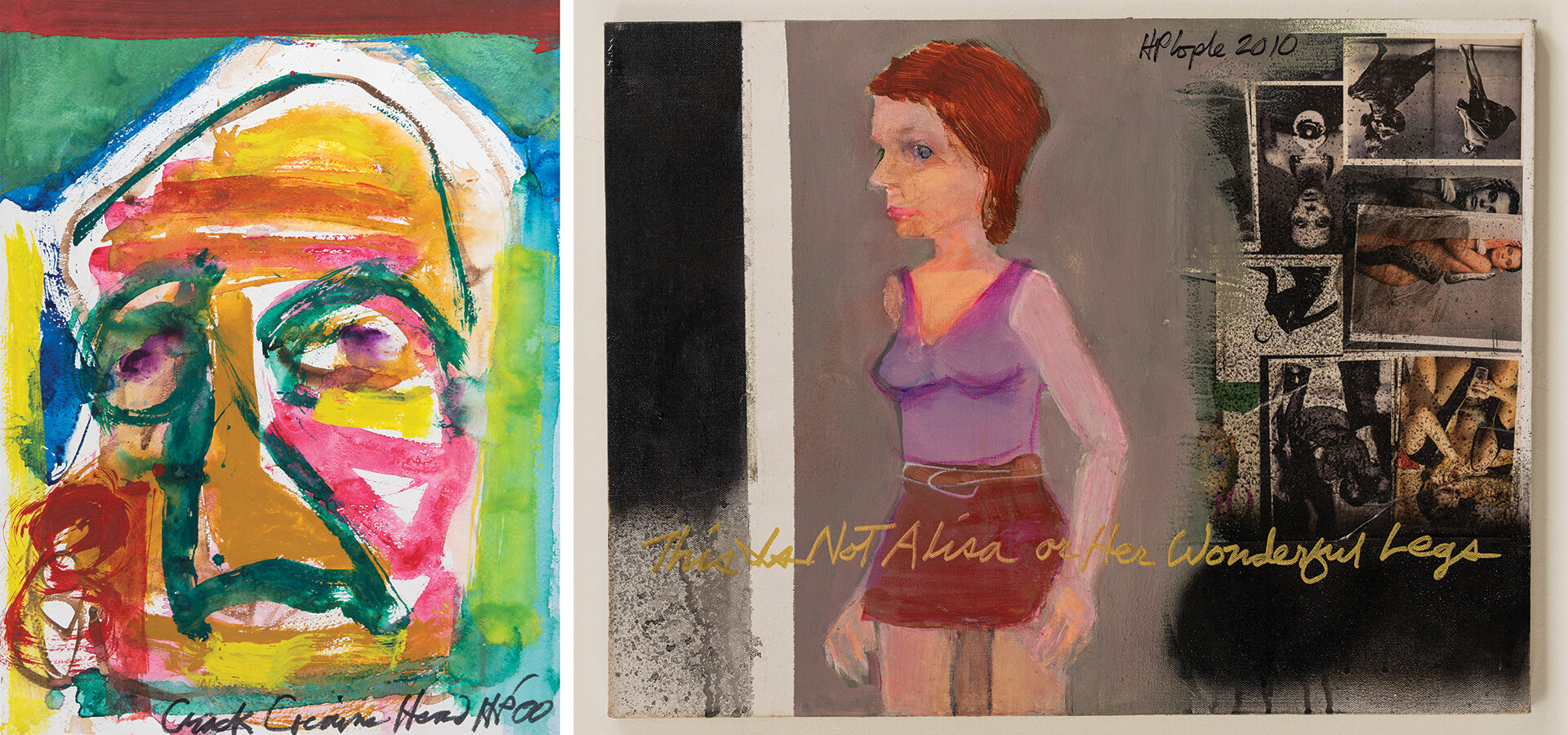
Part prophet and part poet, Harold was prolific. His experiences supplied much of his subject matter. His paintings focused on people living on the street, workers he encountered and the residents around him, as well as himself and the objects of his everyday life.
They combined bold strokes of color and light washes with finely written passages of cursive text. By comparison, his black-and-white works on paper could be painfully raw, recording emotional distress with uncensored urgency.
Artist and curator Ron Linden finds an affinity with the poetry and literature of the Beat Generation in Harold’s artwork and their captions. “Some of them are hilarious,” he says. “But they are also a good indicator of the time and place where he was working.”
That combination of observation and spontaneity attracted gallery owners Arnée and Ray Carofano, who encountered his work at the Living Museum. In 2008 they mounted Expectations and Demands, a solo exhibition of his art at Gallery 478.
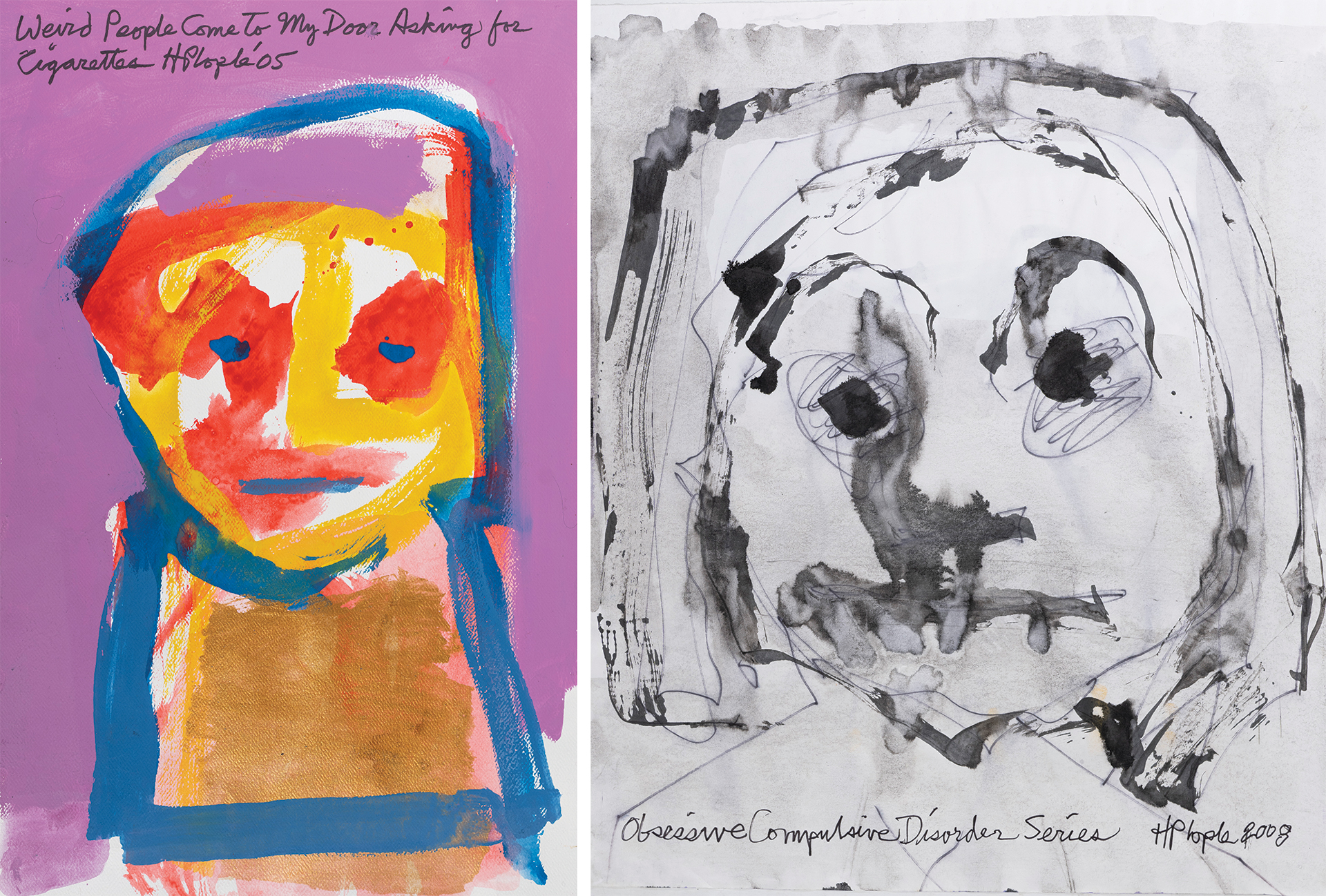
“We basically sold everything,” Arnée remembers.
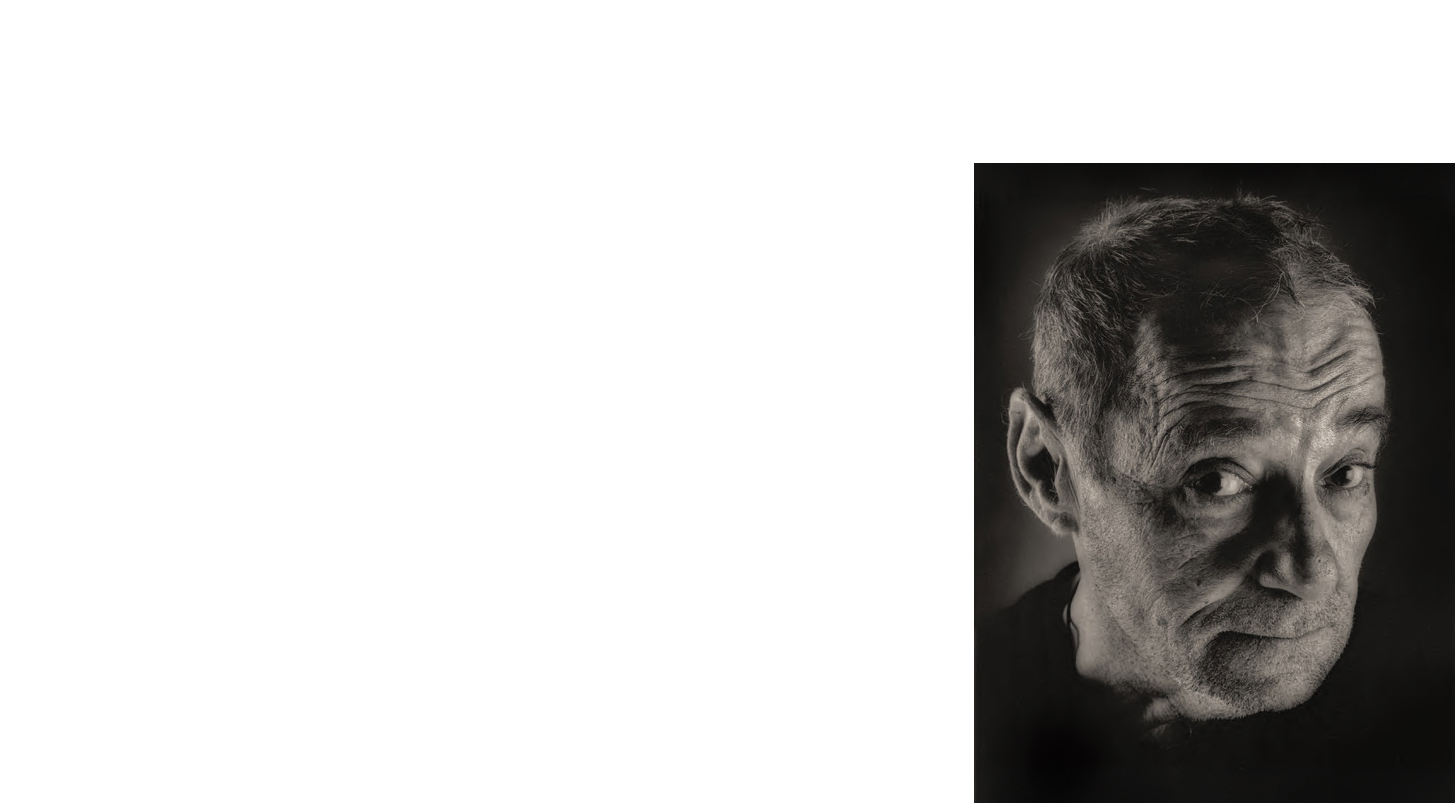
Their relationship grew into a lasting friendship, and Ray captured Harold’s impish character as part of his Faces of San Pedro photographic series.
Today the former Harbor View House contains luxury apartments and a restaurant. Remembering its art studio means remembering the friendships and creativity that existed there. When residents were relocated after its closure in 2018, Ron recalls, “that ruptured a lot of beautiful relationships.”
Harold died of cancer in 2012. Near the end of his life, Ron, Arnée and Ray visited him in hospice.
“Harold was walking around handing out cigarettes to all the guys, and they’d just smoke their brains out and have a great time,” Ron relates. “He was just so energetic right to the end.”
It is a universal truth that the only constant in life is change. As San Pedro changes, Harold’s work gives us a way to understand the community he knew and see the people whose lives might have otherwise gone unnoticed.
Harold had his own words for letting go. “I’m a Buddhist,” he said. “Let things go the way they go, like the wind, from whence it comes to where it goes.”
And so it goes …