








If you’ve ever stepped into Ercole’s Bar & Grill in Manhattan Beach and paused to study the black-and-white photographs lining the walls, you may have unknowingly come face-to-face with Brent Broza’s family. Preserved in those frames, his parents are woven into the story of a place that has fed generations of sunburned, barefoot kids fresh off the sand.
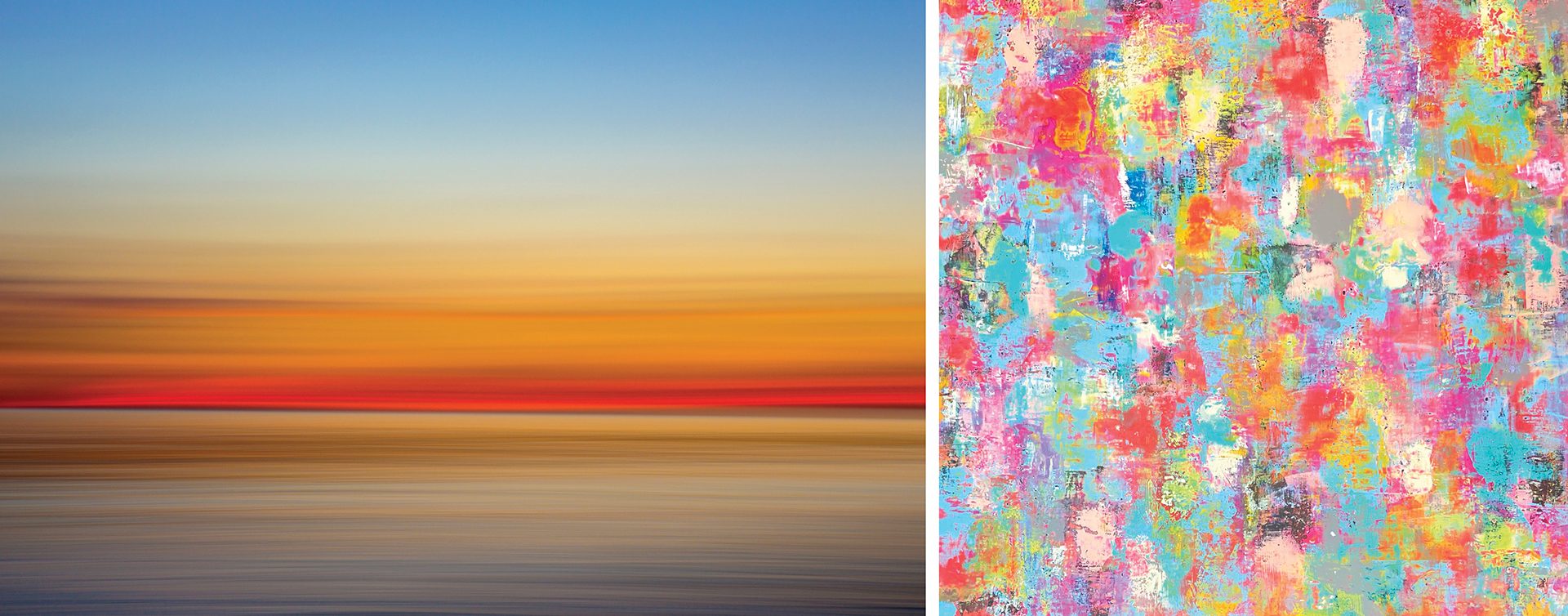
“My dad moved here in 1940,” Brent says. “My mom was here in the ’40s too. My dad was born in Michigan, but he was brought here within weeks. This was home.”
Home meant 5th Street. The walk streets. The 4th Street tower. As he talks about it, you can almost hear skateboards clacking against tin garage doors.
“We had a charging account at El Sombrero back in 1977,” he laughs. “Our parents would be at Ercole’s, and they’d basically put money through the window.”
It was a golden era before phones, before curated childhood schedules. Brent’s mom called Manhattan Beach “the bubble world,” telling him, “You have no idea what it was like outside this place.”
He didn’t understand it then. Now he does.
Brent’s family roots run deep in the South Bay. His grandfather worked in aerospace during the war effort. His mom later worked at TRW, part of the region’s aerospace backbone.
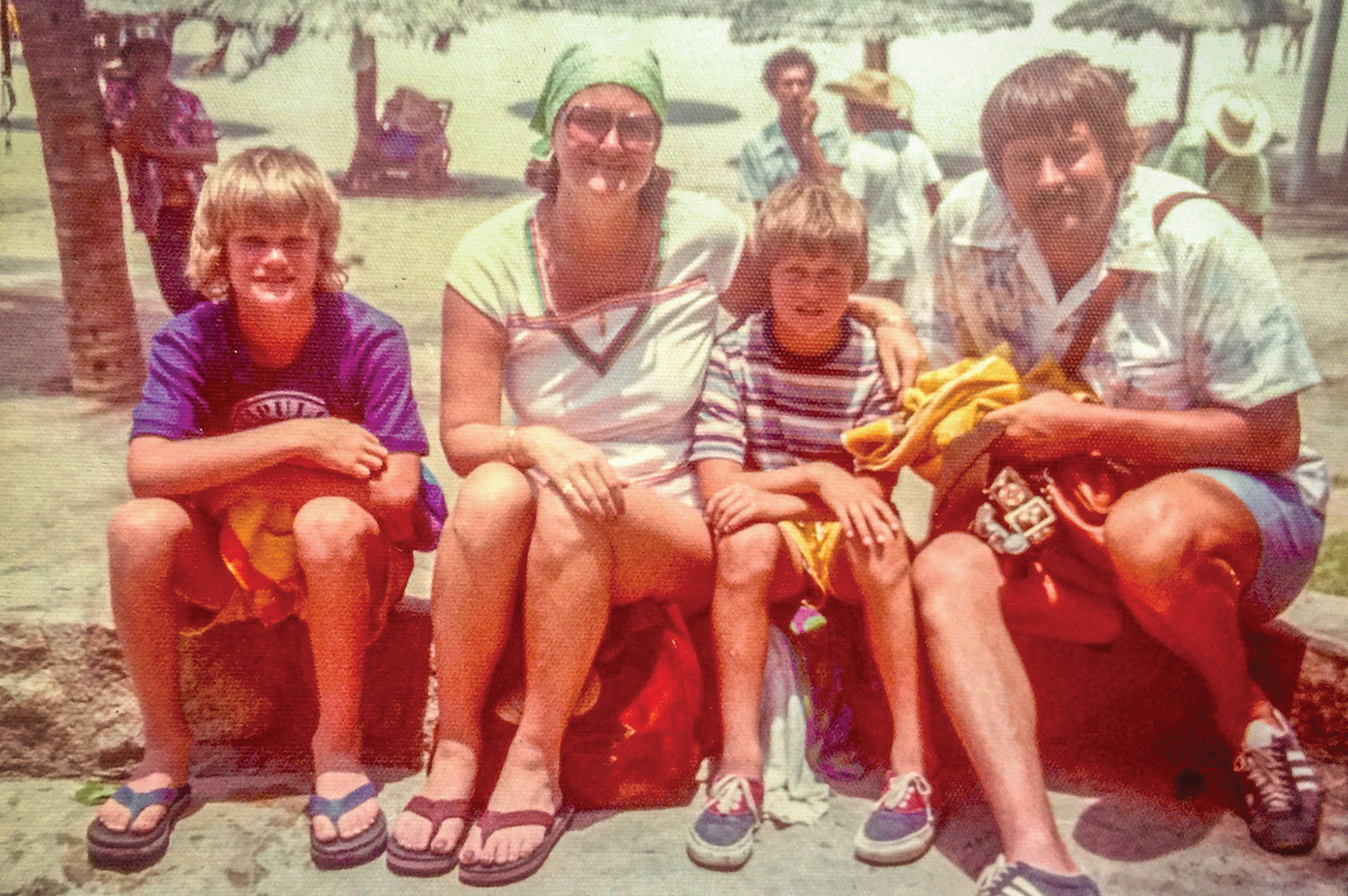
“My mom documented everything. She was scrapbooking back in high school. My dad had the equipment,” he says of his father’s cameras—lenses, bodies, gear. “My mom was more point-and-shoot, but she documented our entire life.”
Loss shaped him. His mother died of breast cancer in 1995 at age 50. Years later while living in Maui, he got the call about his father.
“If you want to see him, you’d better get home soon,” Brent remembers hearing. He packed up, moved back to the Riviera and spent his father’s final month by his side.
Later, Brent found his father’s Nikon. Something shifted.
“Photography was such a great escape for me,” he says. “I could go to the ocean, watch the waves, watch the sunset. I could get lost somewhere without the stress.”
But Brent’s path was never linear. Before wine lists and wave photography, before the blur series sunsets, there was modeling. At 19, while attending Santa Barbara City College, he was discovered and launched into an entirely different orbit.
“I lived in Milan, Tokyo, Brazil, Spain,” he says casually.
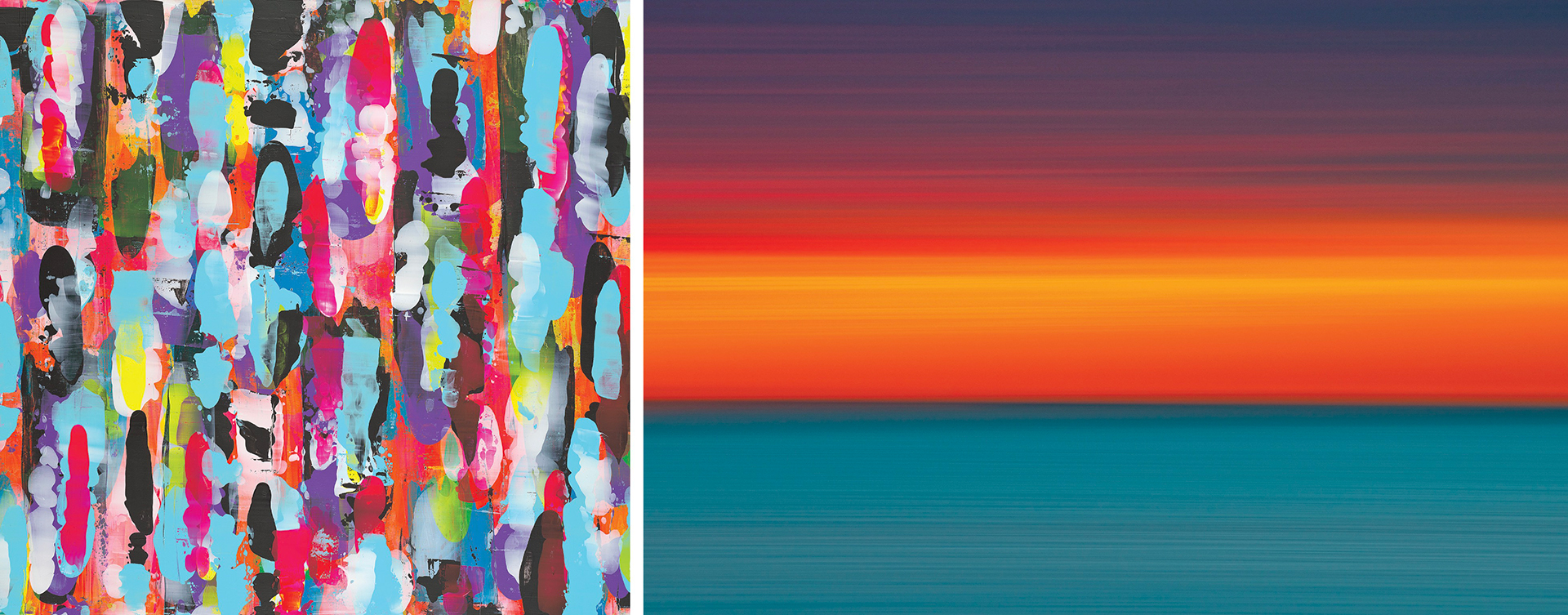
From ages 19 to 23, he moved between runway seasons and the North Shore of Oahu, where his brother lived. He’d travel to Tokyo, return to Hawaii, then come home to Manhattan Beach. It was glamorous and disorienting, the antithesis of “the bubble.”
Eventually, he pivoted. Bartending at Café Japengo in La Jolla, he fell in love with wine. A master sommelier course elevated his curiosity into discipline. By age 23, wine reps were quizzing him.
Soon he joined Kendall-Jackson, then Henry Wine Group, eventually relocating to Maui to work the Lahaina side. Wine became a serious career.
Today Brent is the wine director at The Bottle Inn in Hermosa Beach, where for eight consecutive years he has curated a Wine Spectator award-winning list, a testament to his palate and dedication.
Still, photography kept whispering. When he returned home after his father’s death, he began shooting sunsets, waves—anything that felt like oxygen. He posted images to Facebook. Friends asked, “Did you take this?”
One day he walked into Riley Arts Gallery with eight pieces. “They called me an hour later and said, ‘I have a check for you.’ I was like, ‘What? This is insane.’”
In 2010 he did a show at Sangria with local artist Jeff Honea. Everything sold.
“I sold a piece that big for $400,” he laughs. “I didn’t know what I was doing.”
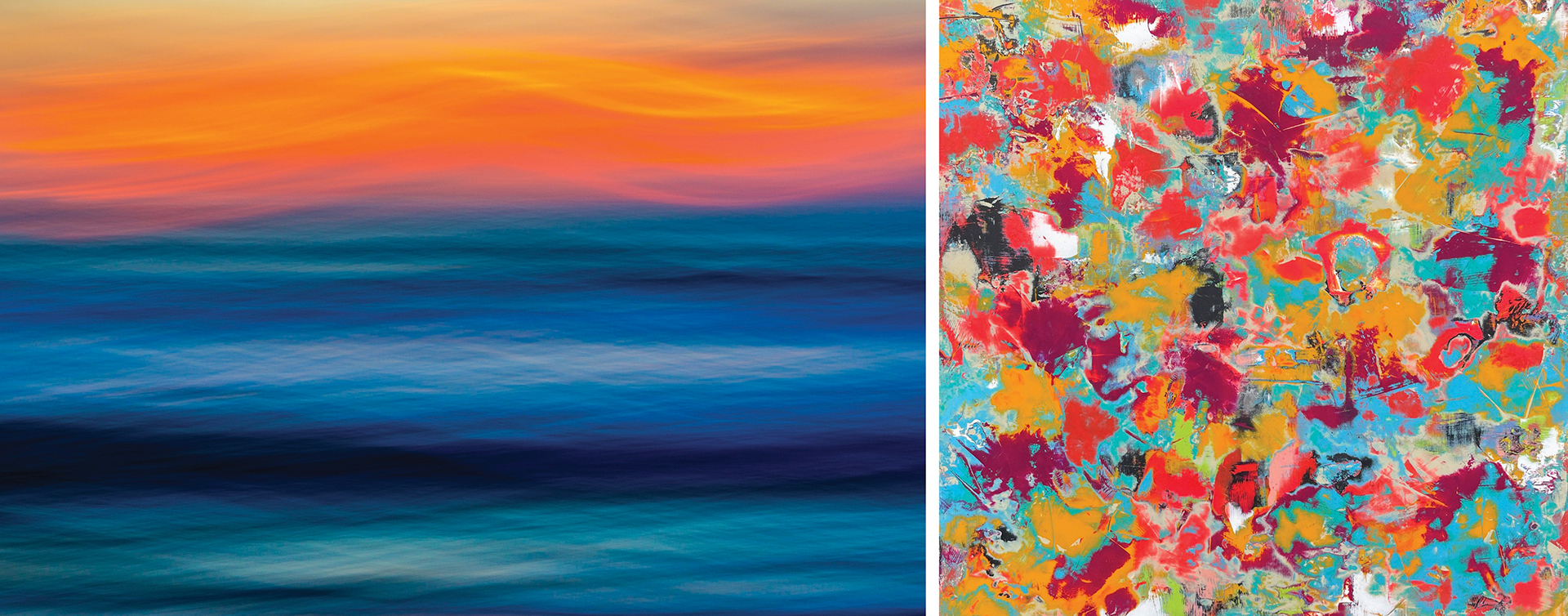
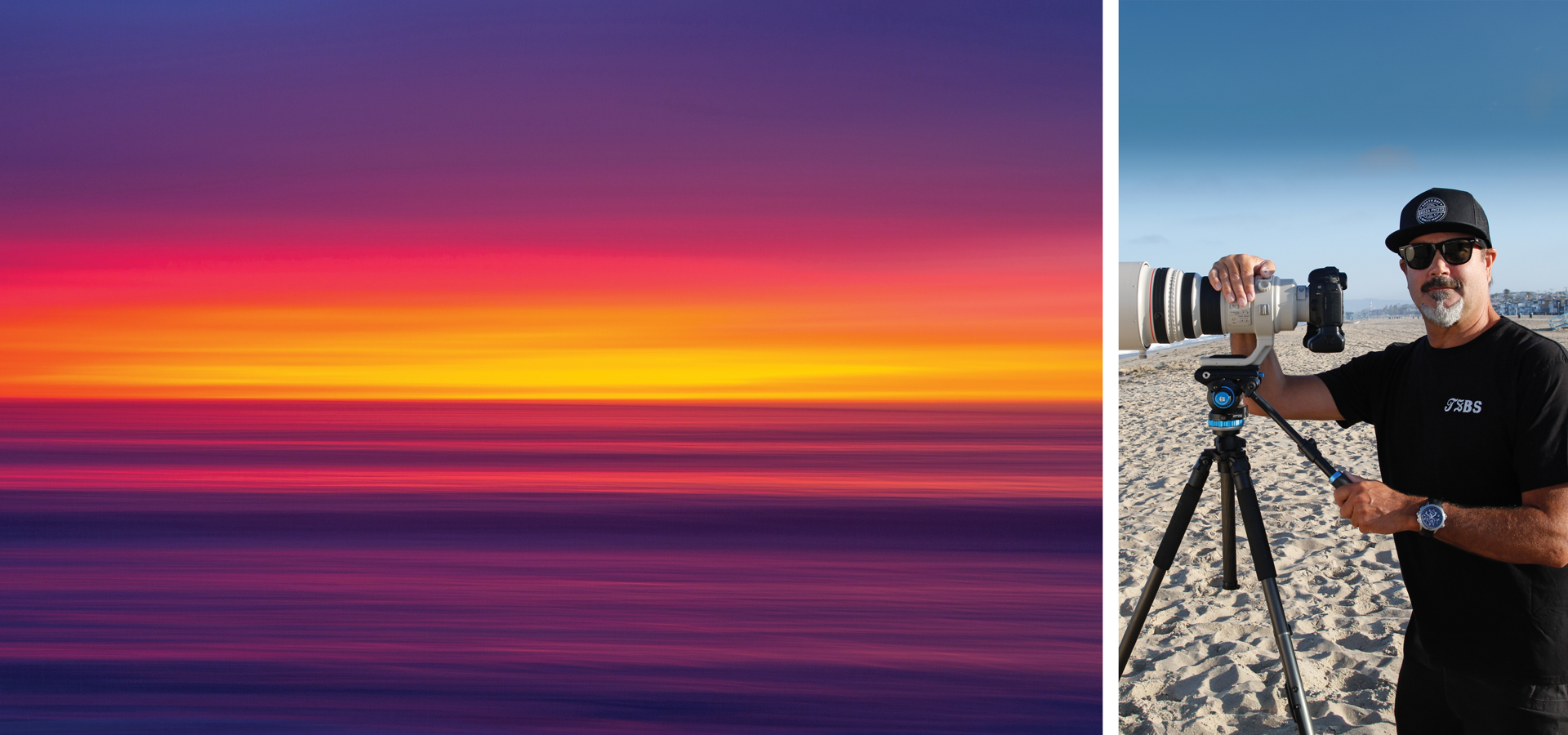
His now-iconic blur series was born by accident at the 4th Street tower—the same stretch of sand that raised him.
“I moved the camera, and it kind of did this,” he says, gesturing softly. “I’m like, oh … I like this.”
Inspired by Mark Rothko’s color fields, Brent began shooting handheld long exposures, painting with light instead of pigment. The works are ethereal and deeply local. Manhattan Beach distilled into a gradient.
“The vibrant ones are sunset. The pastel ones are morning,” he points out. “It’s all light.”
His surf photography carried him further still. He spent each January in Maui shooting Jaws, the legendary big-wave break. In 2016 he captured the 63-foot wave Aaron Gold paddled into, a world record at the time, earning the World Surf League Big Wave Paddle Award. He repeated the feat and won the award again in 2018.
“I shoot from the cliff; he’s out there risking his life,” Brent says humbly.
In 2024 he won the Big Wave Challenge award from the South Bay Boardriders Club for his photo of surfer Alex Fry. Then there was the Hollywood Sign in snow—a photograph that exploded across the internet in one of those lightning-strike moments.
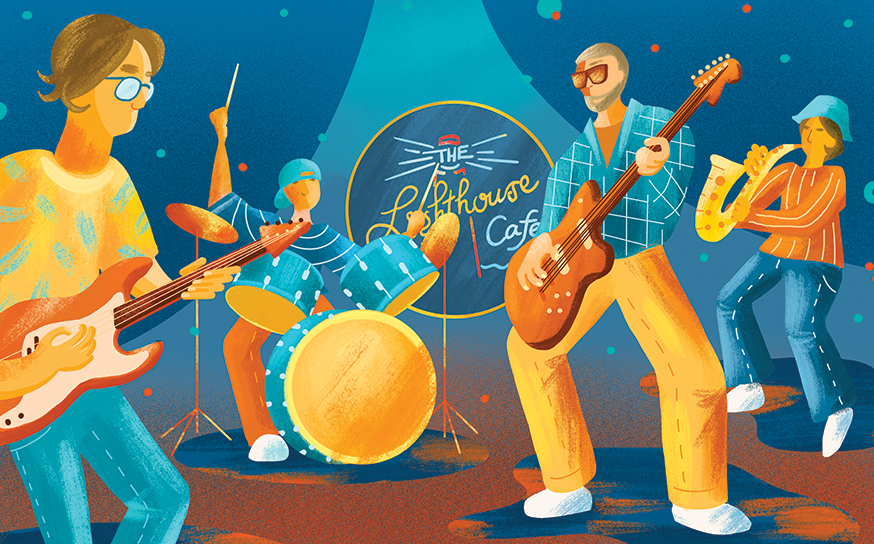
Yet Brent’s truest work may be documenting the culture that raised him. He has photographed Jim Lindberg, one of his closest friends for nearly 40 years, and Jim’s iconic South Bay band, Pennywise, countless times. He has shot artists in studios, graffiti writers mid-process, surfers under piers, musicians under stage lights.
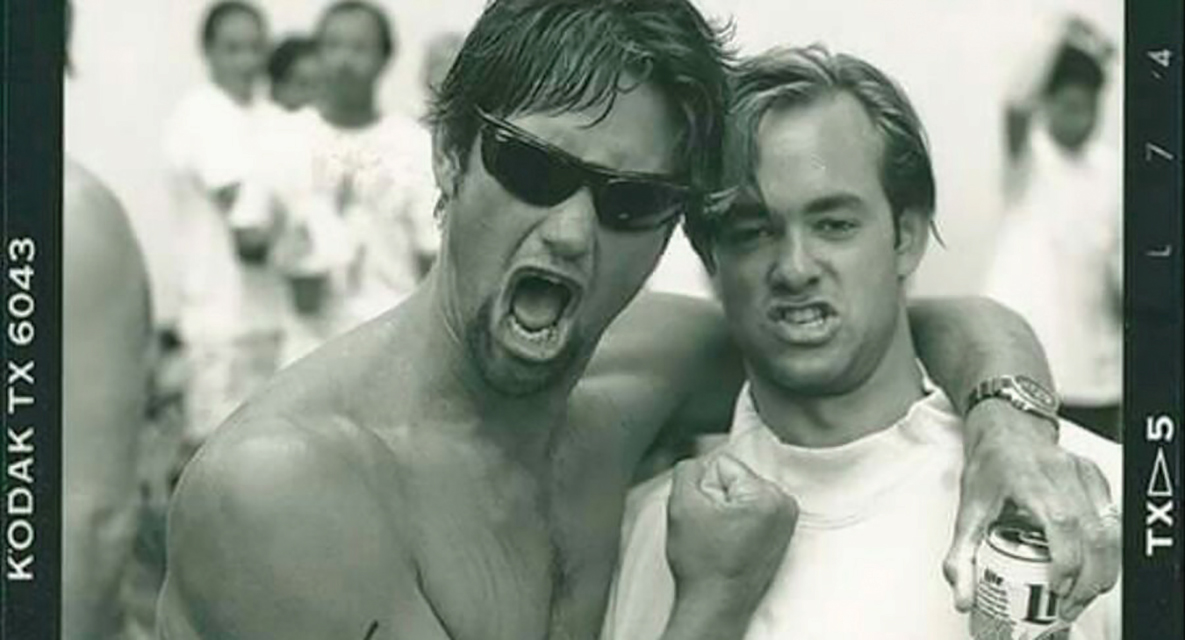
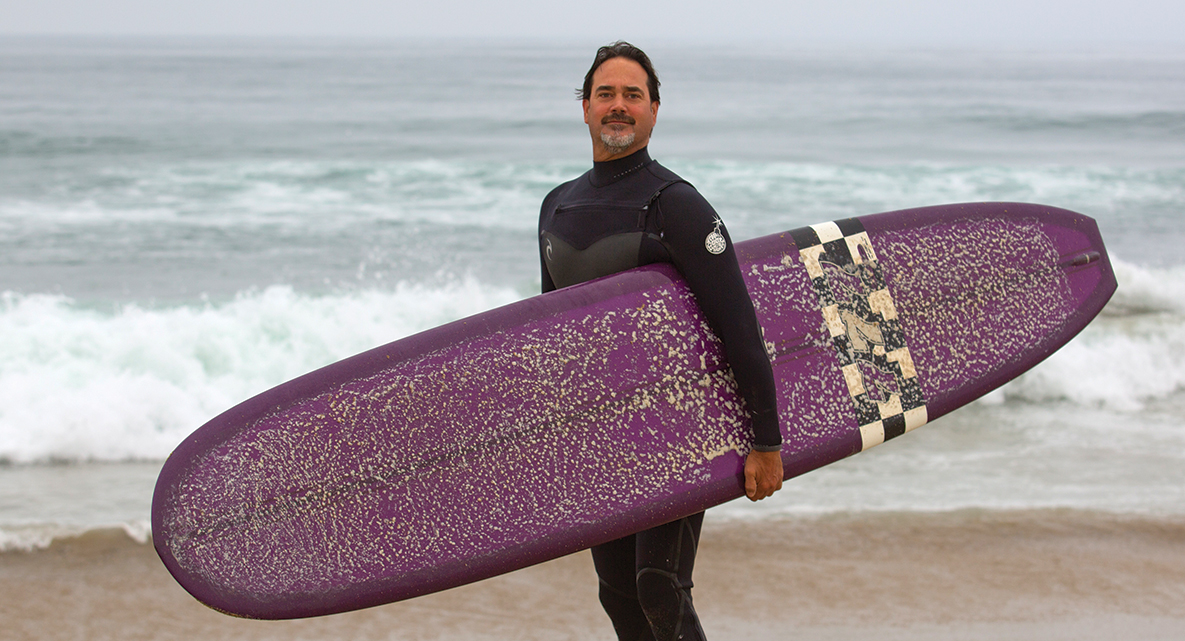
“I shoot what I think is cool,” he says. “It doesn’t have to apply to everybody. I just like expression.”
His art has filled galleries from Hermosa to Downtown Los Angeles. He has collaborated with Tyler Surfboards, matching his blur gradients to shaped boards. He has installed pieces at Shade Hotel and Hotel Hermosa. During COVID-19, Manhattan Village shopping center commissioned him to cover 13 barricades with sunrise and sunset works, temporary beauty during uncertain days.
He moves fluidly between worlds: wine and waves, galleries and restaurants, Maui cliffs and 4th Street sand.
What strikes people most isn’t the accolades; it’s the humility. The way he still talks about his parents. The way he says, “This place means so much to me,” when he references 4th Street. The way grief opened him instead of closing him.
“Photography was a silver lining,” he says. “There are positive things that can come out of loss.”
Brent is many things: model, sommelier, surf photographer, abstract artist. But at his core, he is a documentarian of the South Bay soul. A kid from the walk streets who never stopped chasing the light.