









Beach Dental Club
-
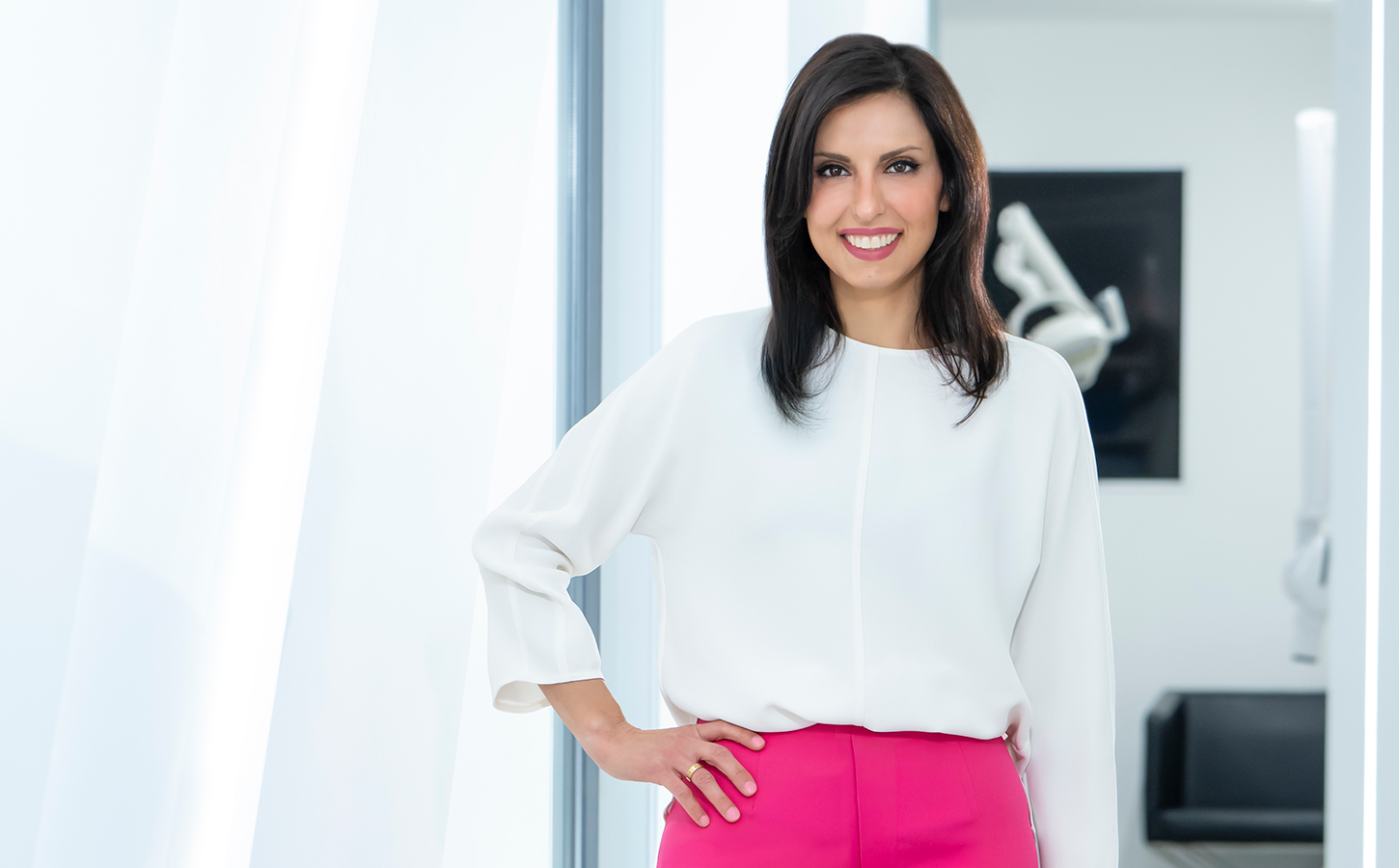
Bita Davoodian, DDS
- Address
1959 Kingsdale Ave., Redondo Beach
- Phone
310-793-1000
- Website
- Special Section
Services Offered
- Preventive & comprehensive dental care
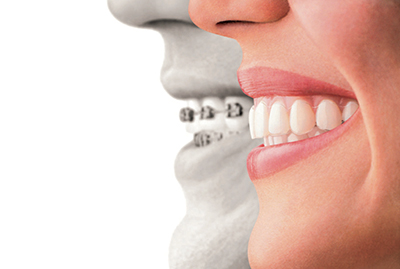
- Invisalign & whitening
- Veneers & crowns
- Implants & dentures
- Digital and laser dentistry
Building Trust
Dentistry is an intensely personal field. Our patients are often anxious, vulnerable or in pain. The ability to read a patient’s nonverbal cues, calm their fears and foster a welcoming, respectful environment build trust. These efforts enhance patient satisfaction, team cohesion and, ultimately, the success of the practice.
 A Healthy Community
What I love most about living and working in the South Bay is the balance. Being near the ocean brings a certain calm and perspective to daily life, and that tends to carry over into how people approach their health. There’s a strong appreciation for staying active and taking care of yourself. There’s also a real sense of community here. I often see patients out and about—at local events, coffee shops or just walking along the beach—and it makes the relationships feel more personal.
From a professional standpoint, I appreciate that people in the South Bay are generally proactive and engaged when it comes to their health. It creates an environment where prevention, education and long-term care really resonate, which makes the work even more fulfilling.
The Big Picture
It’s surprising how closely oral health is connected to overall health. We’re often looking for early signs of systemic conditions—like inflammation, nutritional deficiencies, or even sleep-related issues—during routine exams. It’s not just about teeth; it’s about the bigger picture.
Managing anxiety, building trust and helping people feel comfortable are just as important as the clinical work. Creating a positive experience can make the difference between someone staying consistent with care or avoiding it altogether.
A Comprehensive Approach
As a dentist, my commitment to health care doesn’t stop when I leave the office. I see oral health as deeply connected to overall well-being, so I carry that perspective into everyday life. That means educating friends, family and my community about preventive care, sharing simple habits that make a big difference, and helping people understand the link between oral health and systemic conditions.
I also stay engaged by keeping up with new research, participating in community outreach events and supporting programs that improve access to dental care for underserved populations. Whether it’s volunteering at free clinics, visiting schools to talk about oral hygiene or just being a reliable source of information, I believe being a health care provider is a responsibility that extends far beyond the clinic walls.
The Definition of Wellness
Wellness goes far beyond simply not being sick. It’s about balance, prevention and quality of life. I see wellness as the integration of oral health with overall physical and mental well-being. It’s not just about having no cavities or gum disease; it’s also being free from pain, able to eat comfortably, speak confidently and feel good about your smile.
Wellness also includes daily habits and long-term choices: nutrition, stress management, sleep and consistent self-care. In dentistry, that means focusing on prevention, patient education and helping people build sustainable routines rather than only treating problems when they arise. Ultimately, wellness is feeling your best and functioning at your highest level with health practices that support you not just today, but over a lifetime.
Meeting Patients Where They Are
“Meeting patients where they are” means recognizing that every person comes in with a different background, comfort level and set of priorities—and adjusting my approach accordingly. That might mean tailoring how I communicate. Some patients want detailed explanations and to be involved in every decision, while others feel overwhelmed and prefer a simpler, step-by-step plan.
It also means being mindful of dental anxiety—taking extra time and ensuring patients feel in control during their visit. It can include offering realistic options and prioritizing what matters most.
At its core, it’s about respect and partnership. Instead of expecting patients to fit into a rigid model of care, I try to create an environment where they feel heard, supported and empowered to take the next step—whatever that step may be for them.
Photographed by Fabien & Laura Castro