








Ercole’s Has Been More than Manhattan Beach’s Oldest Operating Bar. It’s Been a Gathering Place Where Burgers, Memories and Community Are Served Every Day
If these walls could talk.
- CategoryEat & Drink, People
- Written byQuinn Roberts
- Photographed byShane O’Donnell
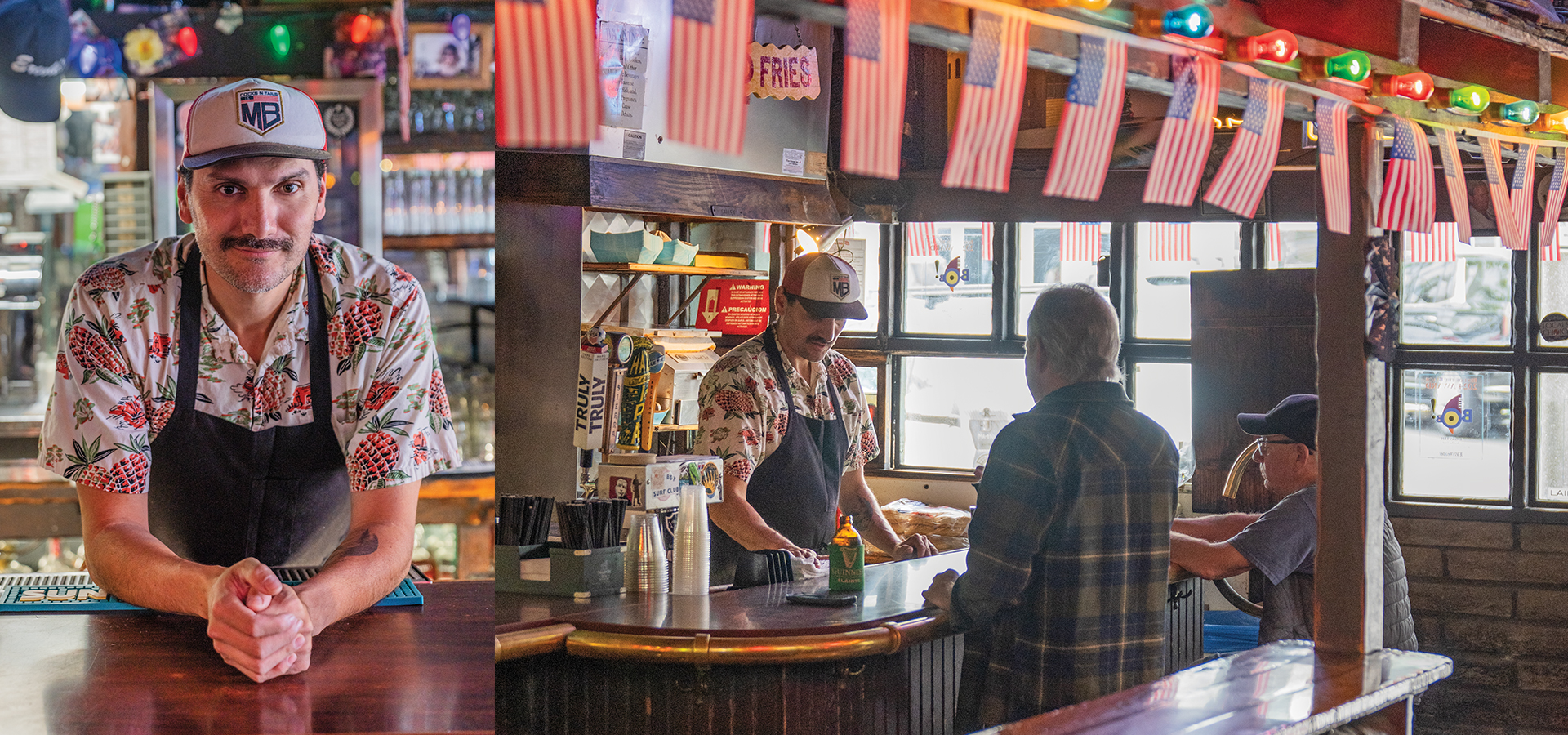
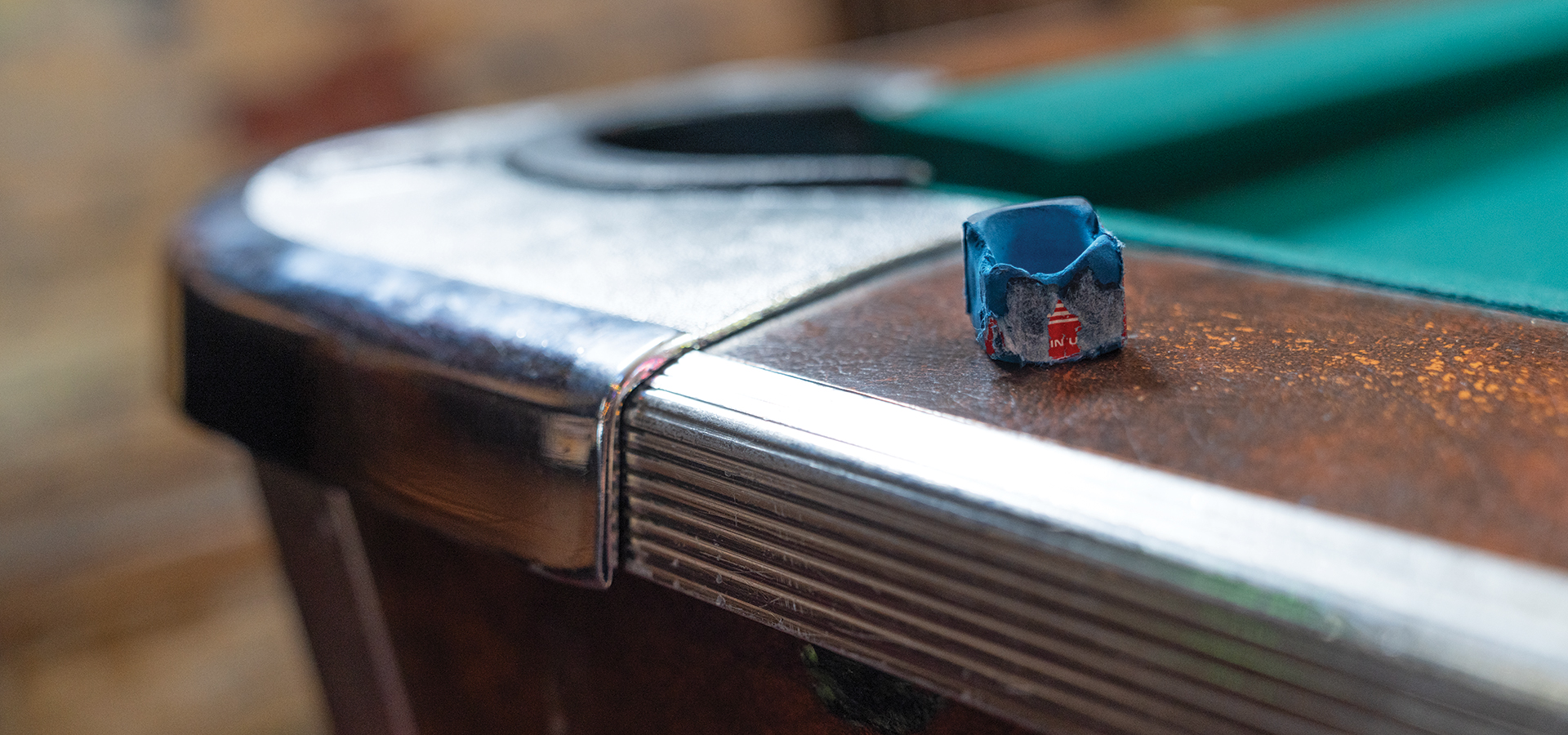
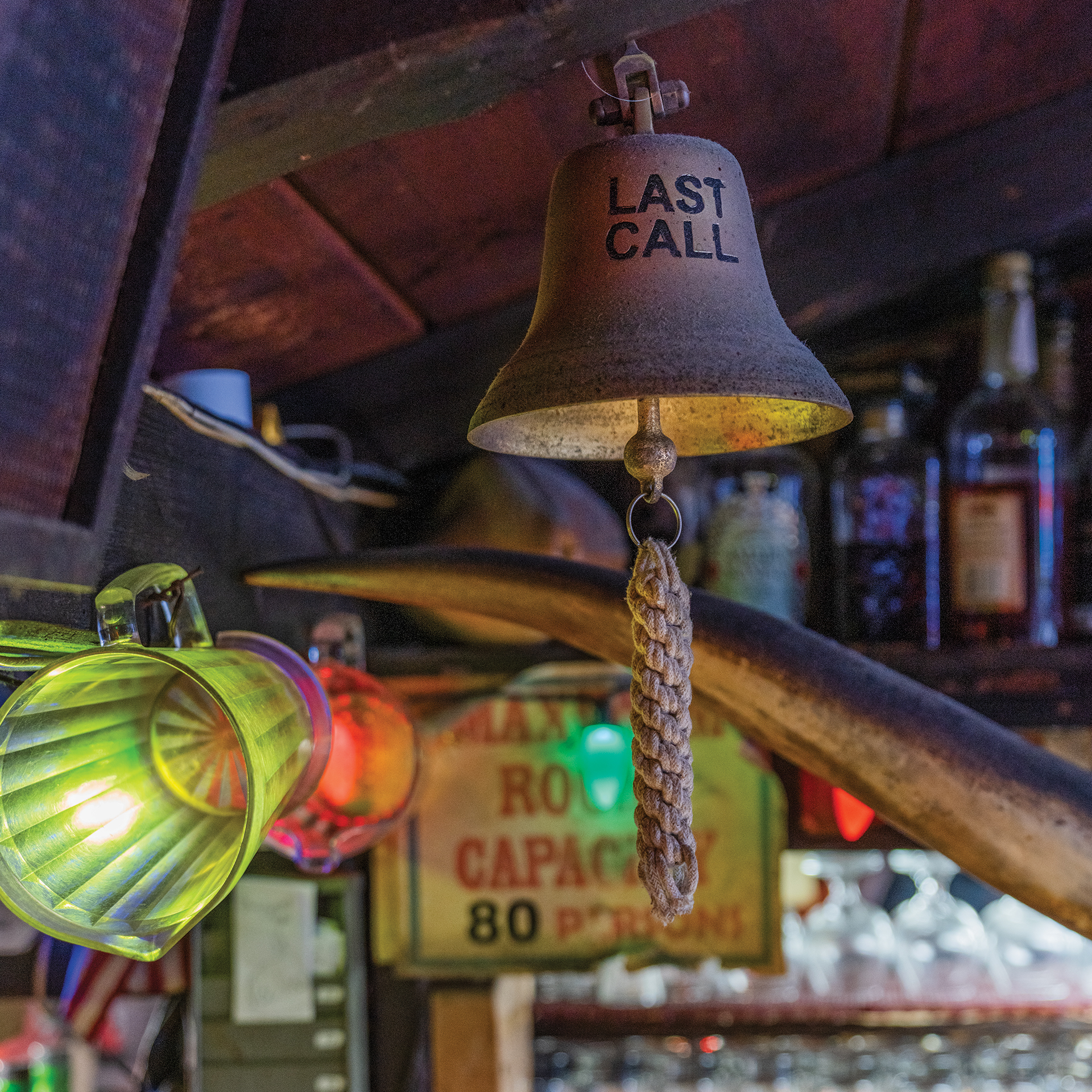
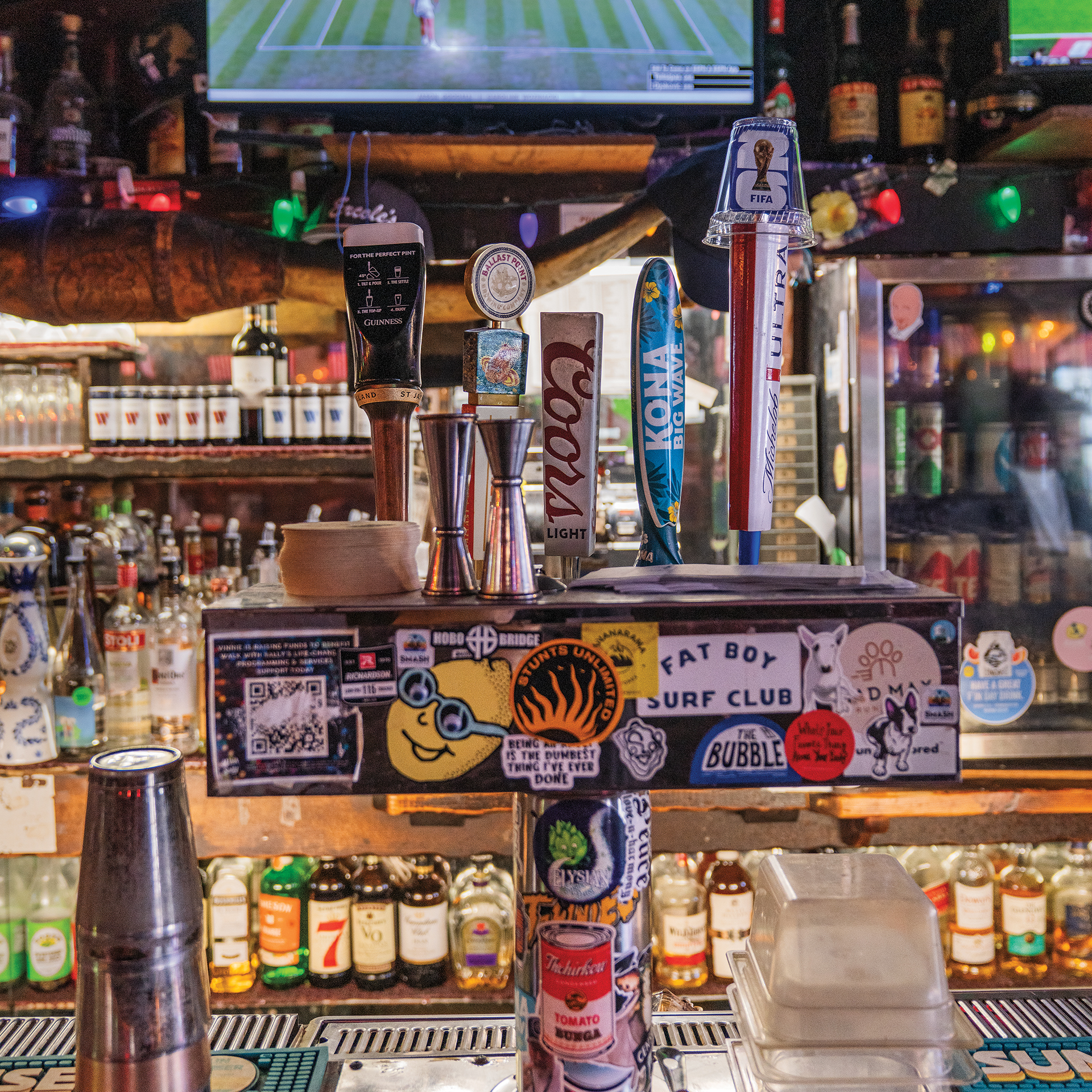
Walk into Ercole’s in Manhattan Beach, and it’s impossible not to be struck by its atmosphere. Right in the heart of the city sits a place unlike anything around it: walls covered with photographs of movie stars, Christmas lights glowing above the bar and well-worn wooden booths etched with decades of patrons’ names.
“After walking around Manhattan Beach, you see an old saloon-looking building that is so different from the rest,” says owner Staci Clark. “It’s wonderful that it has transitioned and become a hometown place.”
“I equate it to the TV show Cheers,” adds her husband, Dennis Clark. “It’s the hometown bar where you can see people of all ages socializing.”
Ercole’s is full of distinctive touches, from the neon sign above its entrance at 1101 Manhattan Avenue to a 1940s department store cash register and the small lanterns that illuminate each booth. Everywhere you look, there’s another piece of history.
Despite the neon “Est. 1927” sign hanging outside, Ercole’s actually opened in 1929 in what is now the oldest commercial building in Manhattan Beach. To put its nearly century-long history into perspective, the bar opened just nine years after the first section of the Manhattan Beach Pier was completed and only two years after the city officially changed its name from Manhattan to Manhattan Beach.
Italian immigrant Giuseppe “Joe” Ercole and Grace Ullery originally opened the establishment as a sandwich and ice cream parlor during the height of Prohibition. Over the decades, it evolved from a Western-themed bar to a restaurant serving Dutch-Indonesian cuisine before eventually becoming the neighborhood burger-and-beer institution it is today.
Its location—just one block from the beach and two blocks from the Manhattan Beach Pier—draws an eclectic mix of customers. Mornings belong to retirees and cyclists, late afternoons fill with people getting off work, and evenings bring in a younger crowd.
“The customers are one of the best things we have,” says Staci, who took over ownership with Dennis after her uncle, Gary Moore, passed away in 2015. “Some come in every day, and they’re like family. They’ve become friends simply by coming here enough times.”
The holidays are especially meaningful at Ercole’s. Thanksgiving Eve and Christmas Eve have become annual traditions for many in the community, while the bar is standing room only during the Manhattan Beach Open and the 6-Man Beach Volleyball Tournament each summer.
The bar has been in Staci’s family since 1972, when her uncle purchased it from Louis and Ellen Underwood. One of Gary’s most significant changes was installing a grill behind the bar, believing that serving food would strengthen the business.
More than 50 years later, Ercole’s burgers have earned a reputation as some of the best in the South Bay. Much of the credit goes to Manhattan Meats, located literally next door, which supplies the fresh ground beef.
Customers don’t even have to step inside to enjoy one. Burgers can be ordered through a small takeout window, where it’s common to see people eating at the nearby bench or standing on the corner with an ocean view.
“I remember ordering burgers at the window before I was even old enough to drink, and now I’ve been a bartender here for six years,” says Tito Amaral with a smile. “Growing up in Manhattan Beach, you always knew about Ercole’s.”
For Staci, preserving the bar has never been about reinventing it. Her goal has been to maintain its character while making only the improvements necessary to keep it running.
“Ercole’s is Ercole’s because of my uncle and what he made it,” she says. “You had to know my uncle to love him. He acted like a grumpy old man, but he had the biggest heart.”
Gary devoted his life to the bar. Every morning he would arrive before opening and stay until the day bartender came in. He loved the routine so much that he went more than a decade without taking a true vacation.
“We would come into town and sit in one of the booths while he cooked hamburgers, and he wouldn’t even realize we were there,” Staci recalls with a smile. “He was so focused and so happy doing what he loved. Eventually he’d look up, see us and come over.”
At one point, Gary considered retiring and moving to Colorado to be closer to Staci and Dennis. But he ultimately realized he had too many friends—and loved walking into Ercole’s every day too much—to leave. That decision gradually led Staci to take on a larger role in the business.
“We didn’t know if we could keep it going,” Dennis says, “but we didn’t want to see it changed because he didn’t want to see it changed. We love a hometown bar. It’s not about the ritz and glitz. The people who have been coming here for years don’t want it to change.”
That sentiment resonates with longtime patron Kristin Long. She and her husband have been visiting Ercole’s for decades, but one evening she found herself wondering about the history behind the iconic neighborhood bar. Curiosity quickly turned into a passion project.
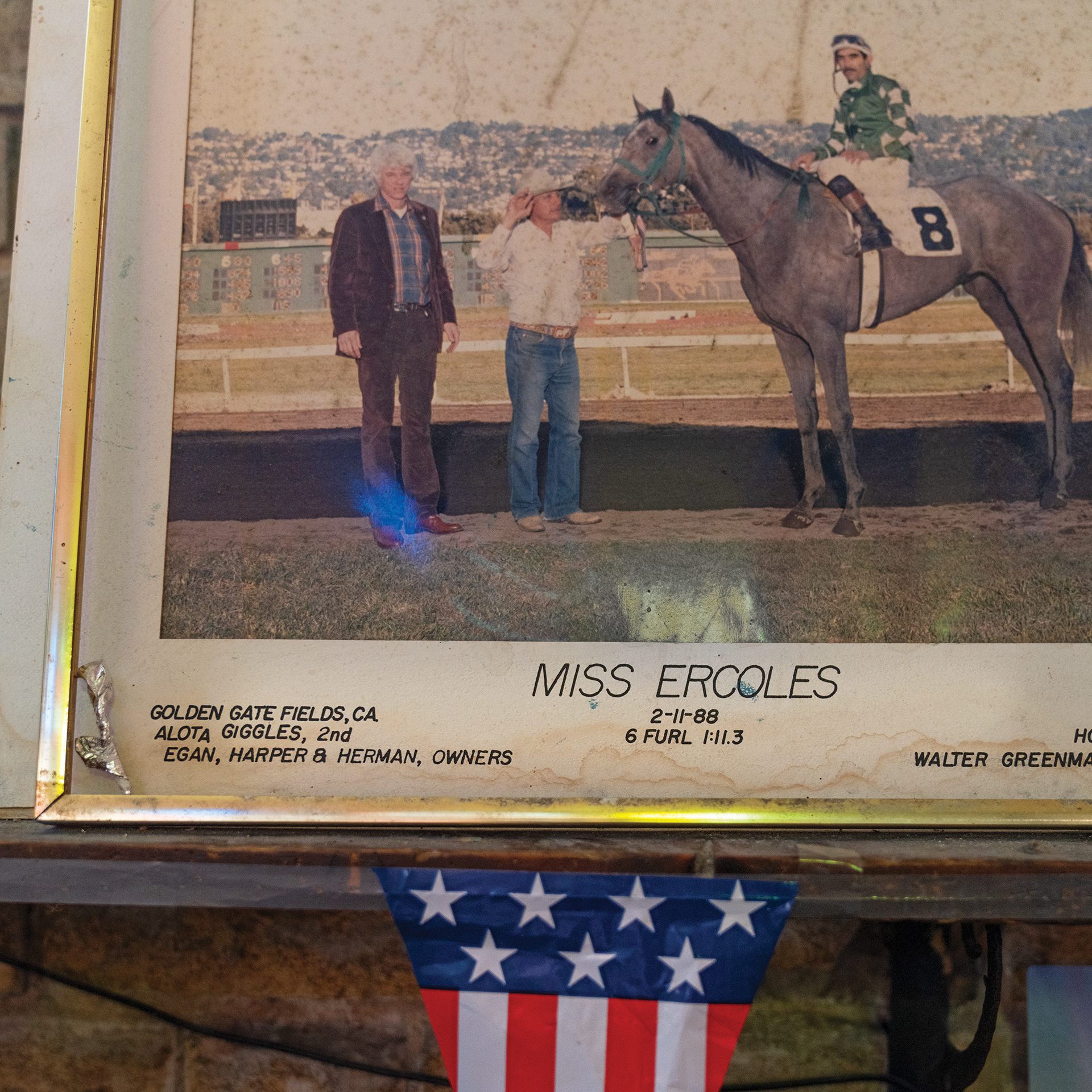
A member of the Manhattan Beach Historical Society, Kristin began digging through archives and interviewing longtime patrons in an effort to preserve Ercole’s story. She is now writing a book about the bar, collecting memories from generations of customers and uncovering friendships that have endured for decades.
Like the names carved into its wooden booths, those stories have become part of Ercole’s history—proof that the nearly century-old bar has always been about more than burgers and beer. It has been, and remains, a place where a community comes together.
Kristin is incredibly close with Staci and Dennis and thinks of them almost as extended family. It’s a sentiment felt by so many people who have been coming to the bar for decades.
“It’s pretty crazy when you think about everything that has happened since the bar opened and that it is still standing,” says Kristin. “It made it through the Great Depression, prohibition, multiple wars and the changing environment of the city.”
A true South Bay survivor with many more years of good times to come. Let’s all raise a glass.