








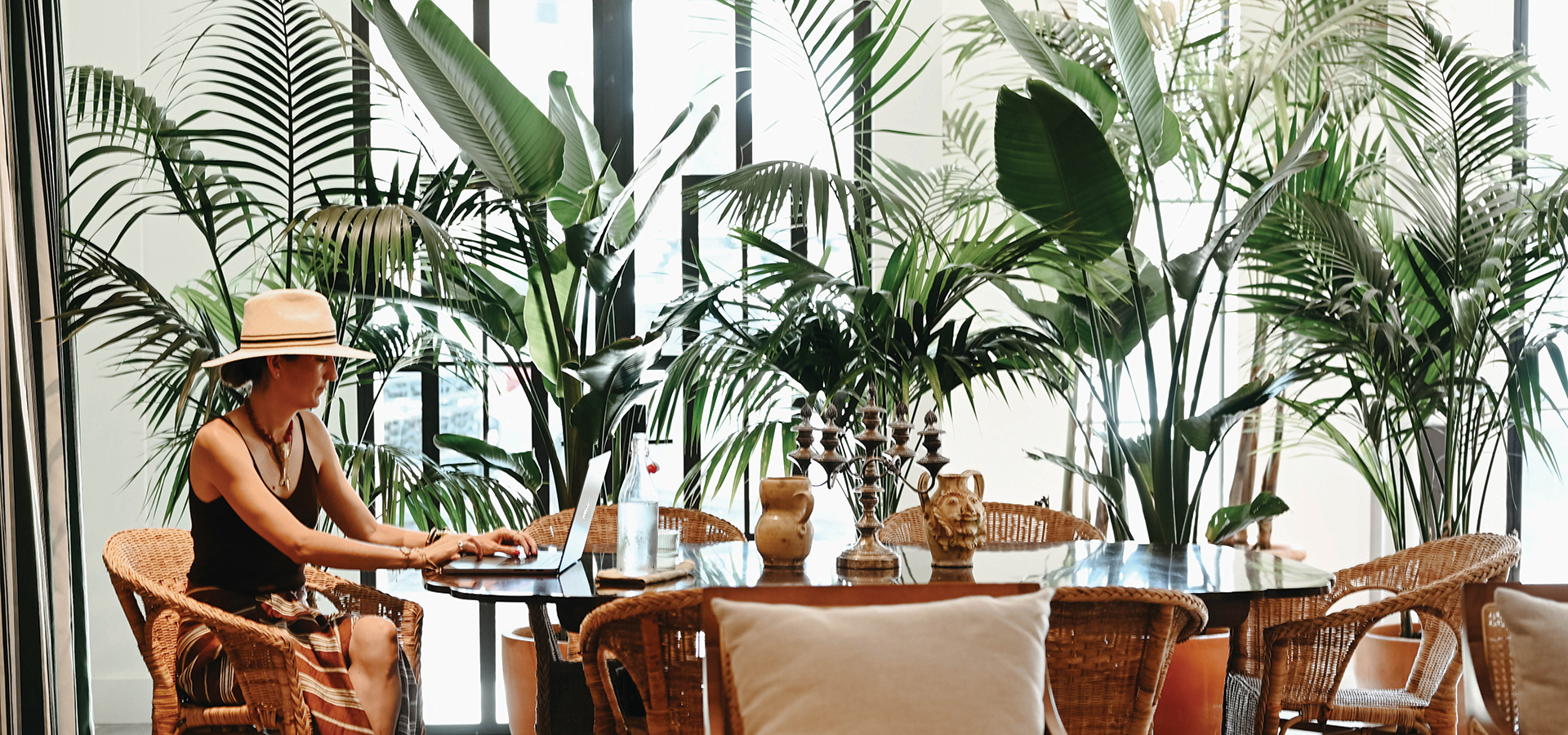
Spend an evening at Stecca Taverna in Hermosa Beach, and at some point you’re likely to cross paths with Wimberly Meyer. On any given night, she can be found moving through the restaurant in a beautiful dress, greeting guests with a warm smile, offering someone a glass of wine or a spritz, stopping for a hug or pulling up a chair.
“I love people so much,” shares Wimberly, who has an easy way with people—equal parts curious and welcoming—that feels entirely natural. “They give me energy.”
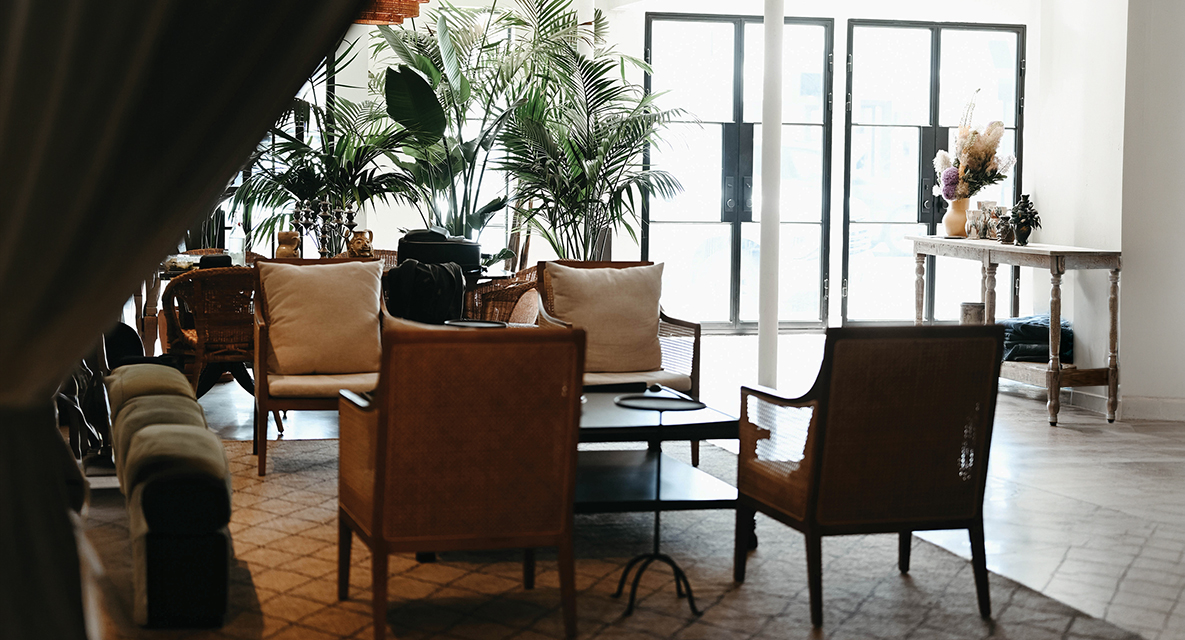
Stecca, which Wimberly opened with her husband, architect James Meyer, and their partner and executive chef, Giorgio Vizia, celebrates the food and culture of Italy’s Piedmont and Liguria regions, bringing tradition together with a modern sensibility. Wimberly enjoys sharing the way her family learned to live during nearly a decade of traveling to Italy together.
“We would always try to come back home and continue to live that way,” she says, “with long lunches and cooking at home, cheese and wine parties, and the slower pace of life and the European lifestyle.”
Ironically, opening a restaurant was never part of the plan. When James came home and announced they were doing just that, Wimberly remembers thinking, “In 10 years when we’re retired, or 20 years? In this lifetime, or another lifetime? Whose lifetime? Because it was not on my bingo card.”
Then, in true Wimberly fashion: “OK, let’s go. Team Meyer, we’ll do it.”
What followed surprised even her. Stecca became, she says, “the most unexpected source of joy that I’ve ever had in a career.”
But perhaps it shouldn’t have been so unexpected. Long before Stecca, before Los Angeles, before an award-winning production career that took her to 35 countries, Wimberly was growing up in the Golden Isles off the coast of Georgia, between St. Simons Island and Jekyll Island. It was a childhood filled with beaches and boats, seafood and family. Her grandparents entertained constantly. There were dinners, cocktail parties, theater, art and culture.

Wimberly grew up surrounded by strong, entrepreneurial women. Her mother owned a business. Her aunts were executives. And her grandmother earned a master’s degree in art and had an art studio of her own.
“The reason that I went to the Fashion Institute of Design & Merchandising and to study textile design was that I wanted to put my grandmother’s artwork on fabric,” she explains. “I wanted to create a brand around her art and her lifestyle.”
Life had other plans. Wimberly moved into fashion, then corporate America and eventually production—building Front Porch Production and creating work for some of the world’s most recognizable brands and entertainment companies. Her career took her around the globe and earned her a place on Adweek’s Creative 100.
She was extraordinarily successful, but she was also constantly moving. In January 2020 alone, Wimberly was away for 26 days.
Then COVID-19 stopped everything. For the first time in years, no flight was booked and no suitcase was waiting to be packed. Wimberly found herself home, and she loved it. When she eventually returned to production, she rebuilt her company differently—creating a team, delegating and allowing herself to have the career she loved while being present for her family.
Then came Stecca. Suddenly, the skills Wimberly had accumulated over decades began coming together in a new way. Producing translated naturally into running a restaurant: budgets, people, logistics, creating experiences. Her background in textiles and design resurfaced in the interiors. And the girl who grew up surrounded by dinner parties discovered how deeply she loved hospitality.

“I get to tap into my creativity,” she says, “which is truly what I always wanted to do.”
Then a retail space became available two doors down from the restaurant. A dream Wimberly had placed on a shelf 25 years earlier came back into focus.
“I felt like it was a gift and an opportunity from her, the universe, God, whatever you want to call it,” she says, “that it was time to utilize all the skills that I had learned over the last 25 years to make that dream become a reality.”
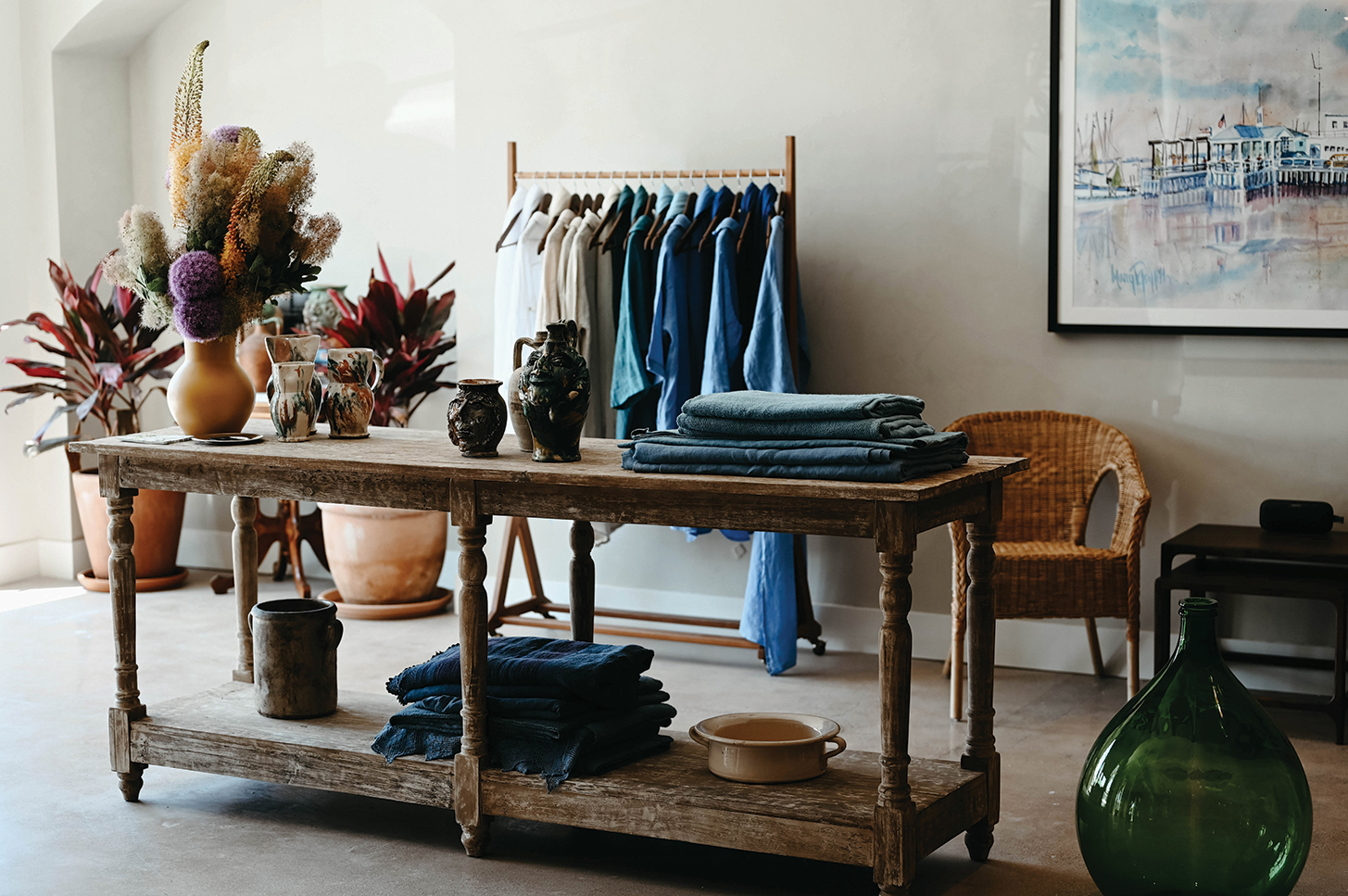
The name Tiny Bird belonged to her grandmother’s art studio on Jekyll Island, established in 1971. Today her grandmother’s watercolors—filled with Lowcountry, Caribbean and European influences of a life well traveled—cover the walls.
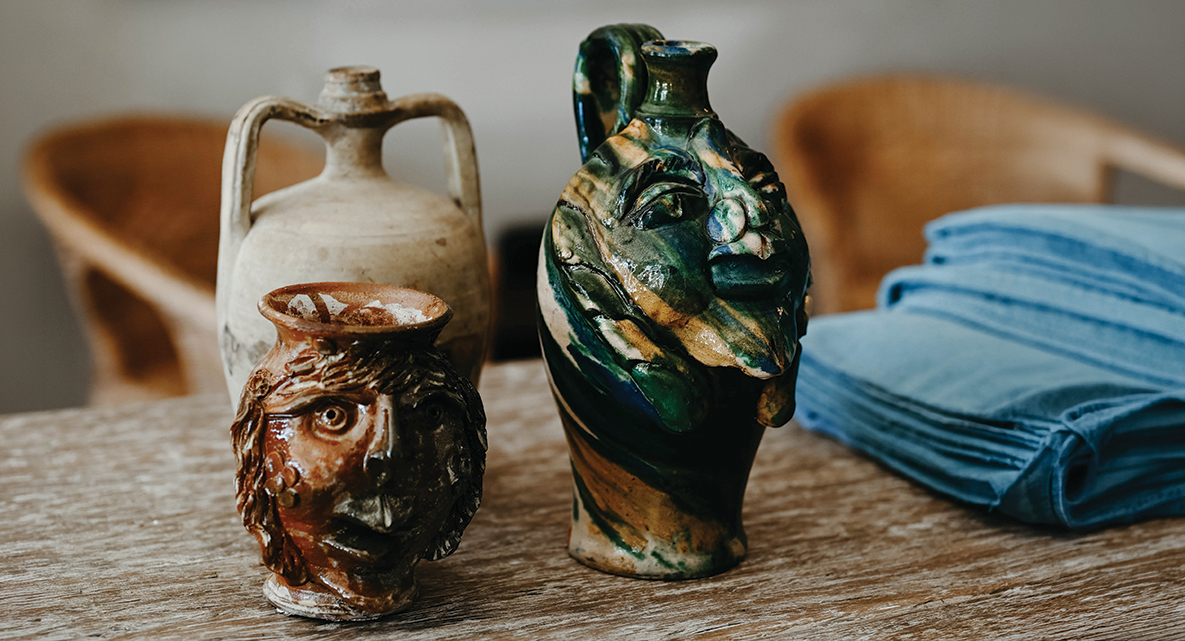
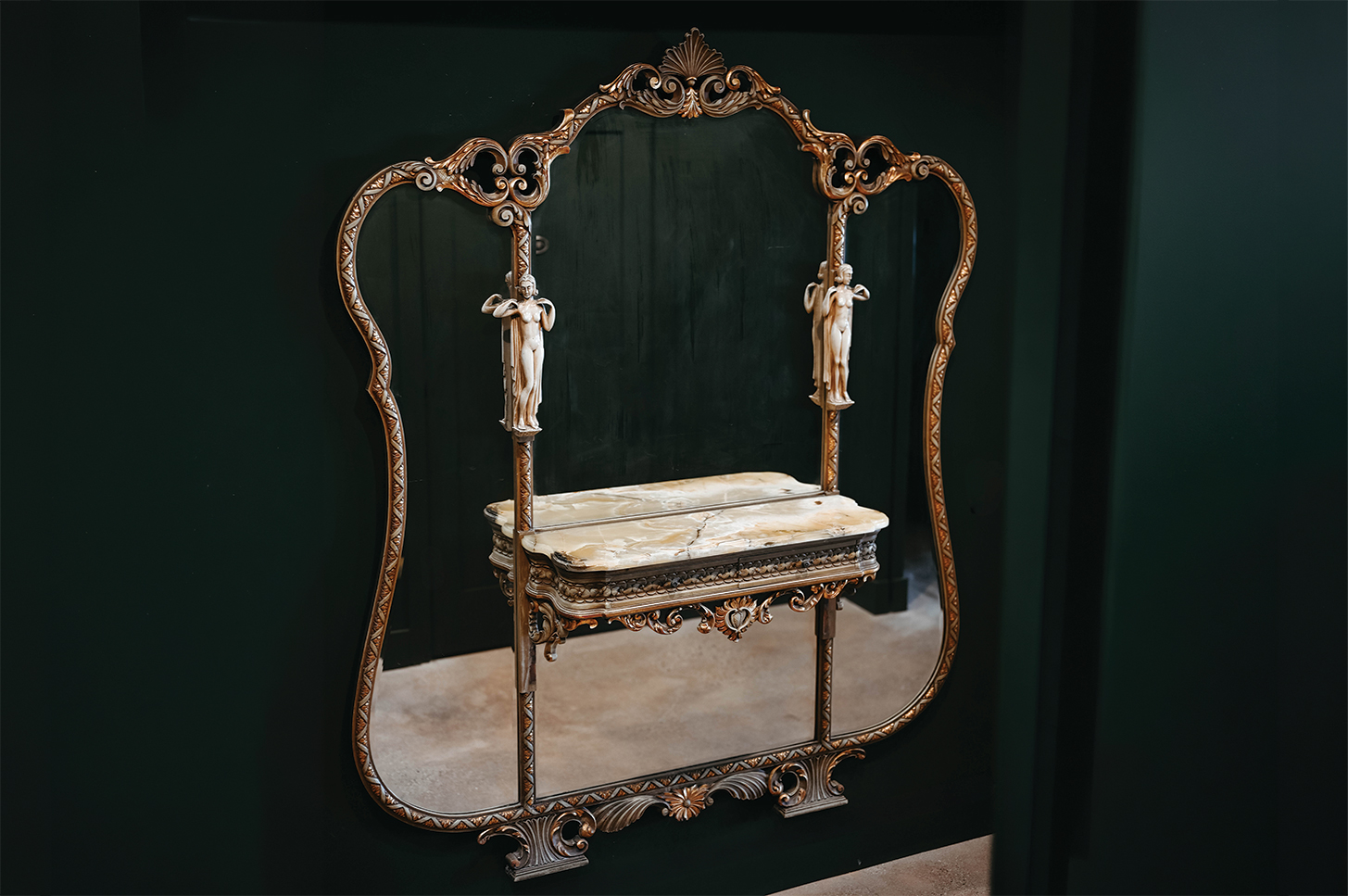
But Tiny Bird is difficult to define, perhaps because it isn’t meant to be just one thing. It is an art gallery, a European-inspired retail space and a place to gather. Italian linens sourced from an artisan Wimberly has known for years mingle with vintage ceramics, books, hand-dyed linen clothing and treasures collected through a lifetime of travel.
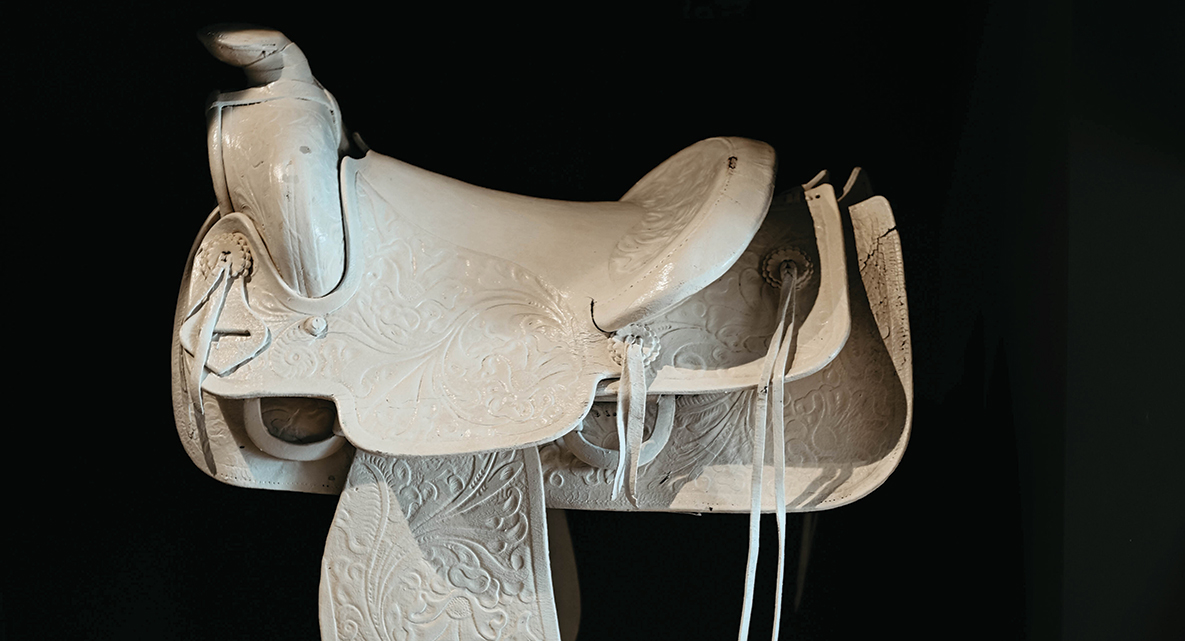
Many of the details come with a story, including an old saddle tucked into the space. Wimberly has carried it with her since she was 22, when she worked in fashion in New York and rescued it from being discarded after a Fashion Week project. Decades later, it has found its place.
“It’s a collection of life, right?” she says, looking around Tiny Bird. “It’s just like how I’ve collected my life over the years, and now I get to have a space for it all to live.”
That idea is at the heart of Tiny Bird. Georgia is here. Her grandmother is here. Italy is here. Fashion, textiles, travel, storytelling, hospitality and family—all the seemingly unrelated chapters have found their way into one room.
“For so long, you have these dreams,” she says, “and you do all these other things for other reasons and other people out of fear of creating your own dream. When I finally had the confidence to let that fear go, it just became so much easier and so much more natural. I’m finally being true to myself and being true to the things that I love.”