










In the 62 years since Aurora Smith moved into her home on the Manhattan Beach Strand, so much has changed. Yet this wise, effervescent woman—who has witnessed an extraordinary century of history—maintains an indomitable spirit and joie de vivre that would put her younger peers to shame. While her hearing is slightly less acute and she admits some memories have faded, she retains an alertness and spark that speak to her remarkable inner strength and character.
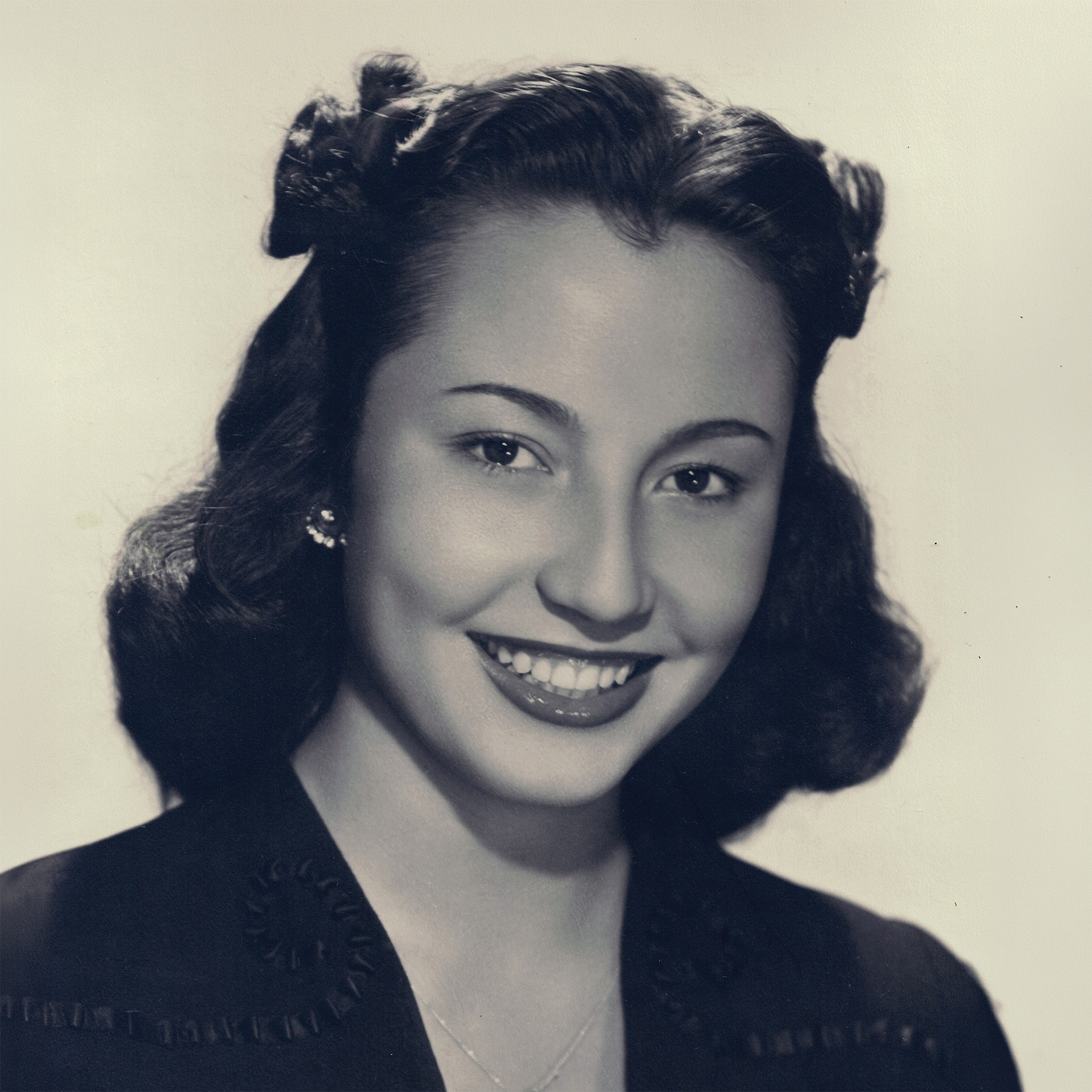
Born Maria Aurora Graciela Soto on September 4, 1926, in Guadalajara, Mexico, she was raised by her mother, Isabel. Although she was an only child, Aurora had a large extended family on her maternal side, including four aunts, an uncle and 14 first cousins. In 1931, Isabel moved Aurora to Mexico City to be near her grandmother Joaquina and to live with her Aunt Oliva and Uncle Eduardo Diaz.
“My mother loved me unconditionally,” shares Aurora. “I was always her priority. She made sure I was safe and well cared for.”
Through marriage, Isabel became the owner of two successful drugstores, which provided the family a more comfortable life. While in her 20s, Aurora lived with Isabel in a beautiful hacienda and had a maid, cook and gardener.
Aurora was—and remains—an exquisite beauty with a radiant smile. At age 18, while working as a stenographer in an economist’s office, she was discovered by a co-worker and became the Colgate Girl, featured in the brand’s advertisements in newspapers and magazines throughout Mexico.
When she was 21, Aurora fortuitously became a secretary in the Mexican government’s legal office. One morning when she was just 23, she awoke unable to move. She had contracted Guillain-Barré syndrome and was paralyzed from the chest down for six excruciating months.
Because of her job, all of her medical expenses were fully covered. The government also paid her salary, even while she was unable to work.
“I was very lucky to work for the Mexican government,” she says. “They took care of everything for me. Whatever I needed, they provided.”
Feisty and determined, Aurora indefatigably battled Guillain-Barré, buoyed by her mother’s support and their shared Catholic faith. Her recovery was gradual, requiring rehab just to learn to walk again.
Yet her illness had one silver lining. Aurora’s beau at the time gave her a Dalmatian named Diana, who served as her constant companion throughout her illness—solidifying her lifelong love of animals.
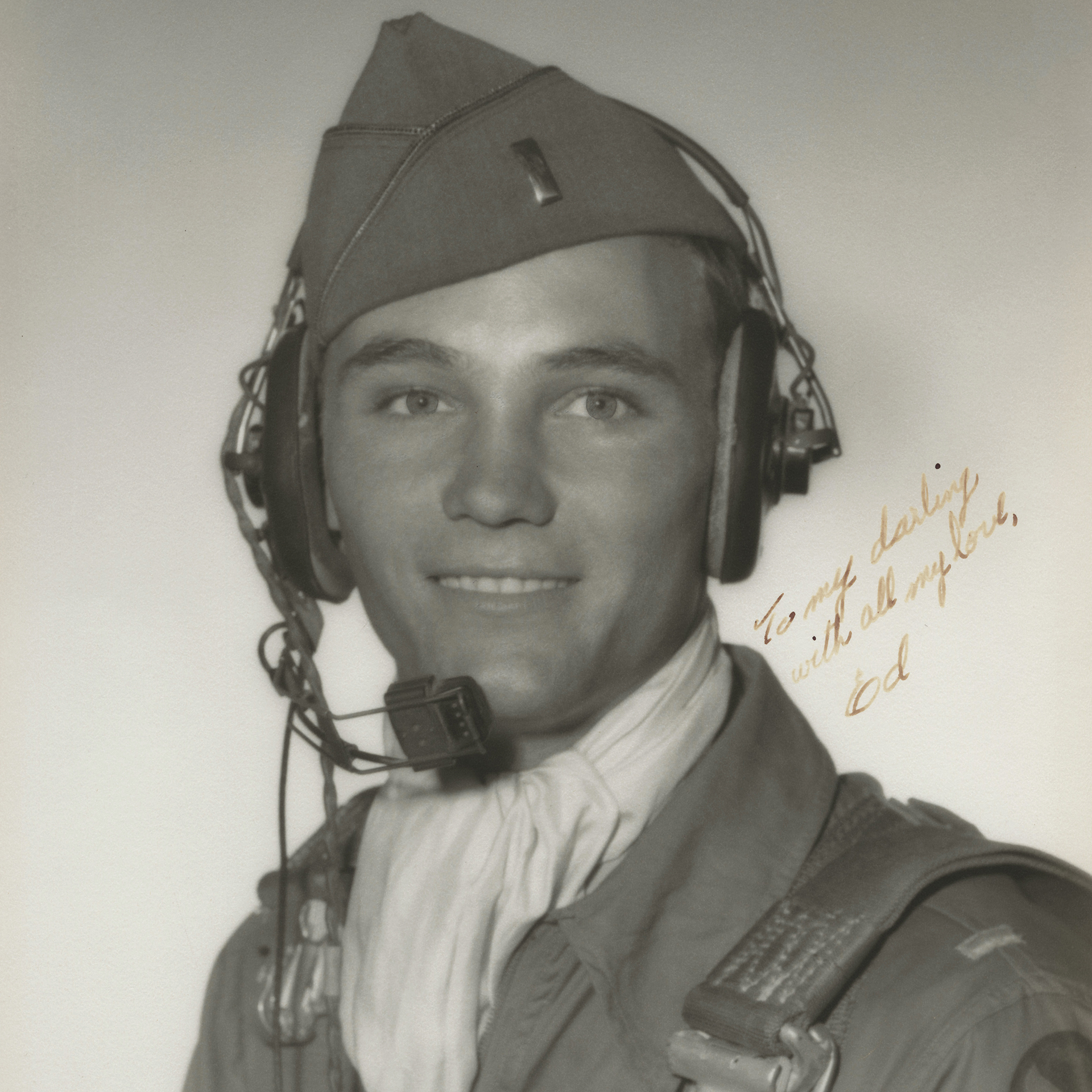
In 1953, Aurora spent a year in Tennessee studying secretarial skills and learning English at Nashville Business College. In January 1955, she took an auspicious weekend getaway to Acapulco with friends. While there, she met William Edward “Ed” Smith, an American Air Force pilot on holiday. They spent much of their vacation together.
The day Ed was planning to depart, someone stole his valuables from his hotel. Aurora, a devotee of crime dramas, fancied herself an amateur sleuth. By chance that evening, she ran into a local man who had befriended Ed during his vacation. She recognized his camera and binoculars as Ed’s and realized this was the thief. She turned in the culprit, reconnected with Ed to return his stolen belongings and received her reward for solving the crime: a romance with Ed.
The Mexican beauty and the handsome American aviator were smitten. During their courtship, Ed wrote to Aurora every week. Six months later, Aurora moved back to the States and landed a job at Neiman Marcus in Houston, writing customer correspondence. That December, 11 months after they met, Aurora and Ed were married in Laredo, Texas.


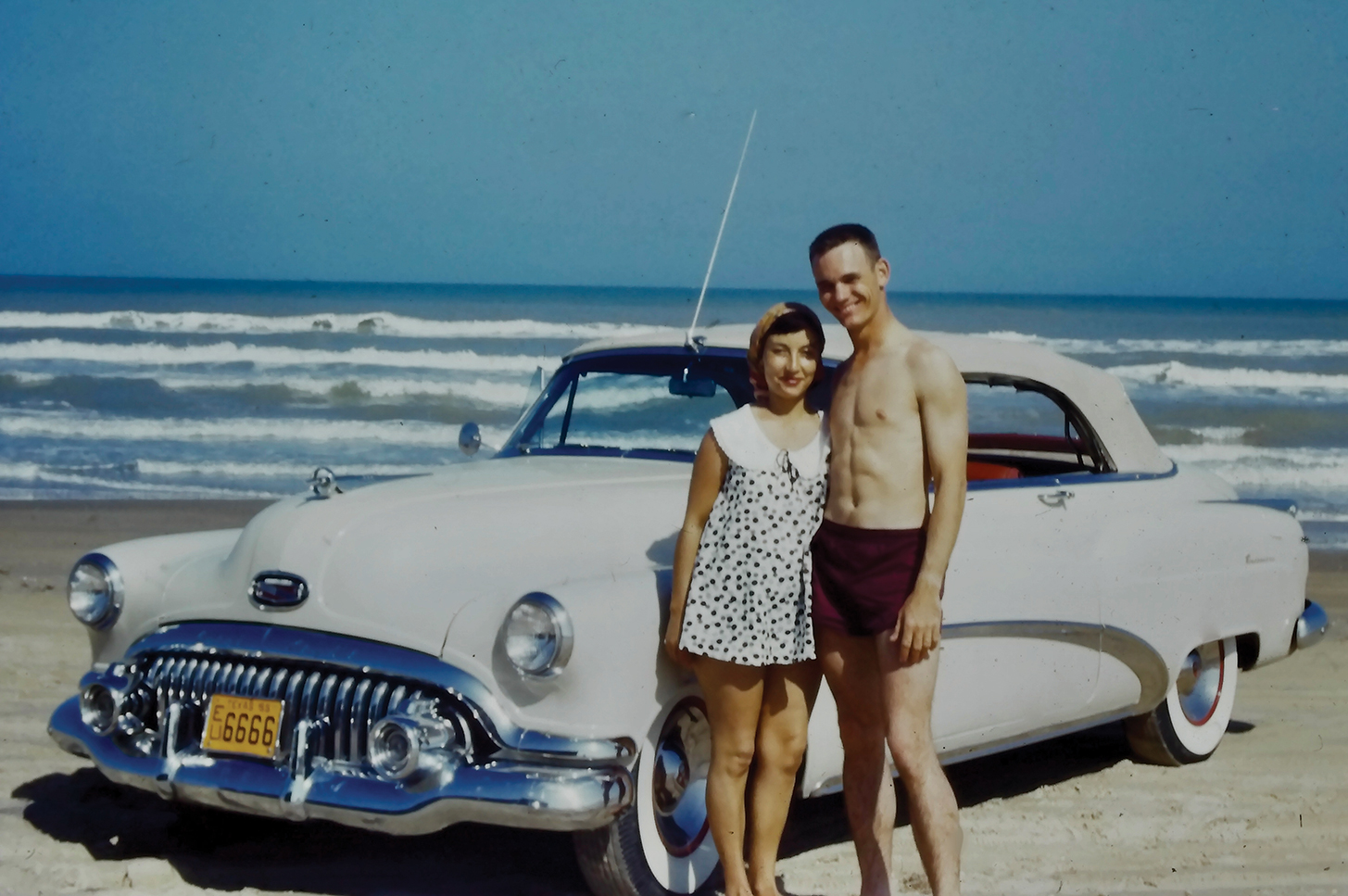
Military life meant constant relocation for the Smiths. In four years, they lived in Laredo and Sherman, Texas; Spokane, Washington; Albuquerque, New Mexico; Sacramento; and ultimately Manhattan Beach. They had Laura, the first of their four daughters, while living in Sherman. Daughters Patricia, Alexandra and Jennifer came in quick succession, each born in a different locale, slightly over a year apart.
While living in Sacramento, where Alex was born, Ed began to exhibit symptoms of an underlying illness. In late 1959, he was diagnosed with Hodgkin lymphoma, just months before their youngest, Jen, was born on Leap Day 1960. Ed received a disability retirement from the Air Force and took an engineering position at Space Technology Laboratories in Redondo Beach.
Enamored with Manhattan Beach, the family decided to make it their forever home. They moved into 324 25th Street and signed a one-year lease for $160 a month.
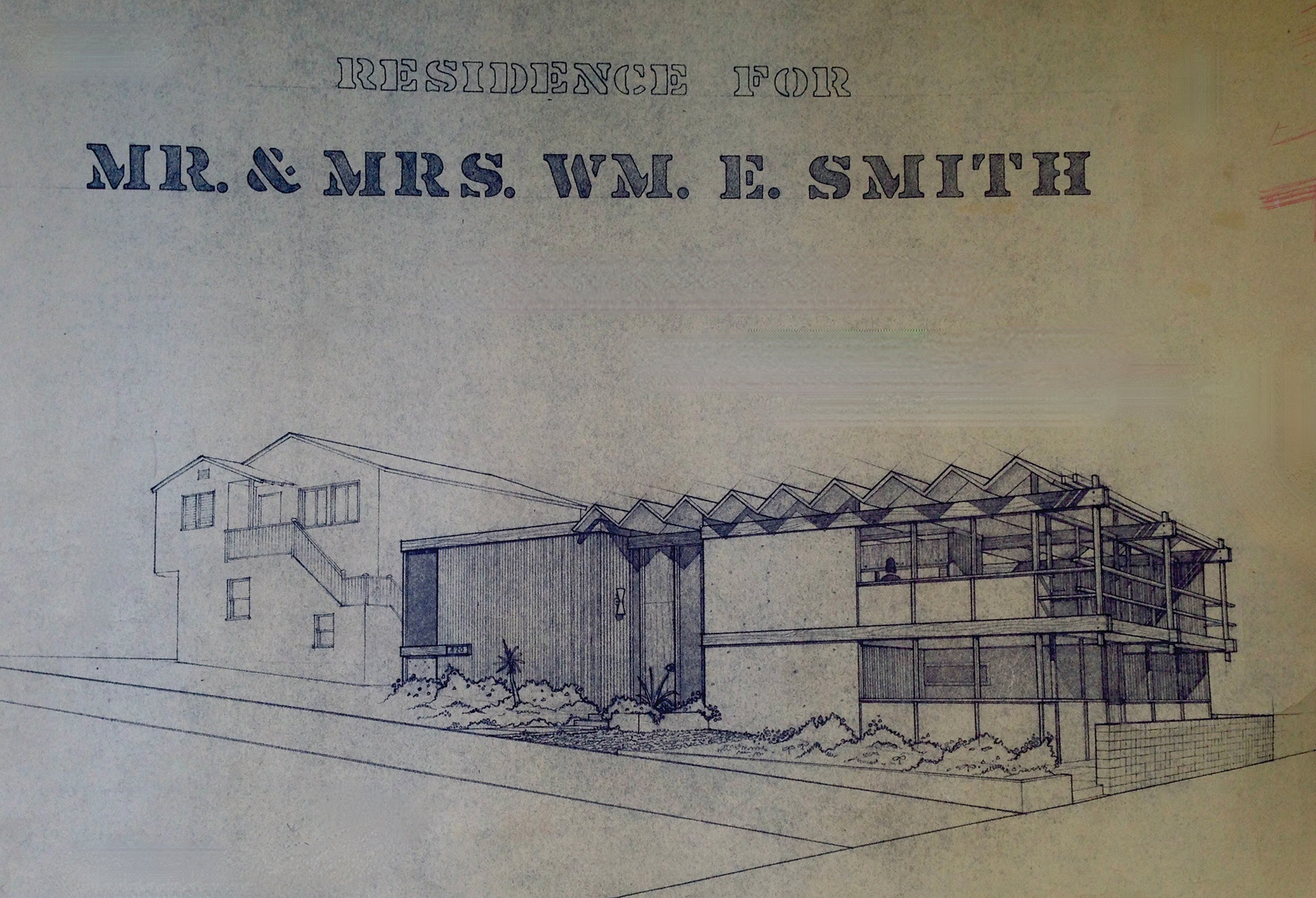
In July 1961, Ed found his dream property: a small one-bedroom home built in 1925 at the rear of a large lot on a walk street on the coveted Manhattan Beach Strand, mere blocks from the pier. They purchased the home for $29,000 and hired local architect William Wookey to design their dream home at the front of the lot.
Aurora was understandably apprehensive. Her husband was ill, she had four daughters under the age of 5, and the family of six would have to cohabit in a tiny one-bedroom home above a garage while their main home was designed and built. Luckily, the previous owners had added an extra bathroom and bonus room in the garage, so Laura and Patricia had their own space.
Aurora jokes, “When the girls were asked at school, ‘Where do you live?’ they semi-mockingly replied, ‘We live in a garage.’”
On December 4, 1964, the Smiths moved into their gorgeous new main home. Four days later, on December 8, Ed lost his five-year battle with Hodgkin lymphoma, just three days after his 34th birthday. Yet he fulfilled his dying wish: to live in his dream home on the beach together with his beautiful wife and four beloved daughters.
That somber Christmas, Aurora found herself in an unimaginable position. She had just lost the love of her life and was now a 38-year-old widowed mother with four heartbroken daughters under the age of 8. No stranger to facing adversity, Aurora once again leaned on her faith and her tight-knit circle of family and friends for support. It was clear she had to devote all of her energy and focus to raising her daughters, the same way her mother had raised her.
Aurora made two crucial decisions. She would not return to work until her daughters were independent, nor would she remarry. Though she would have many suitors, she was legitimately concerned about bringing a man into her life and home with young girls.
Money was tight, but she made ends meet with Ed’s disability benefits and rental income from the rear house. Her girls attended public school, but when it became clear they needed more structure, American Martyrs stepped up and enrolled them.
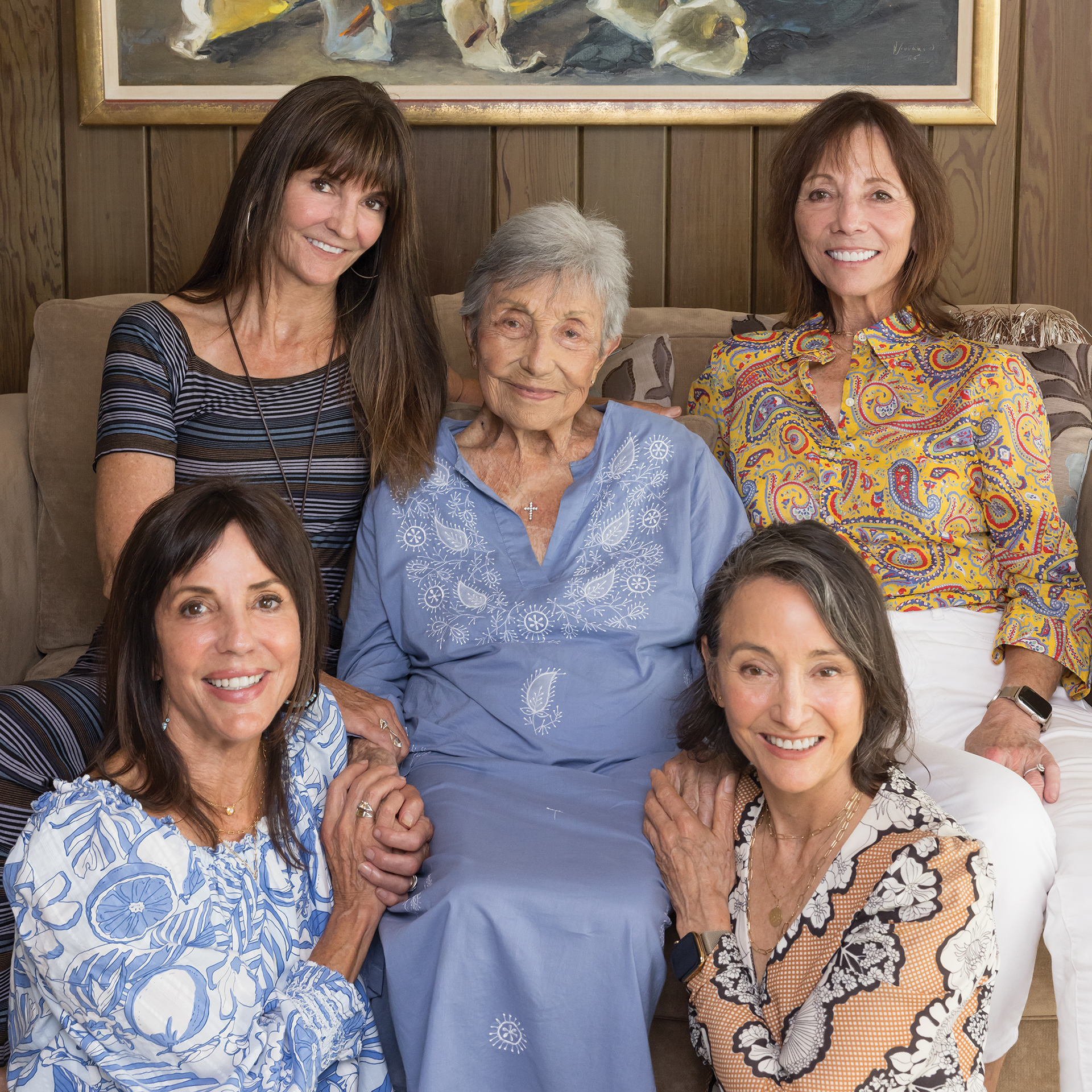
Aurora ran a strict but loving home, finding ways to make life fun for her girls. Together, the Smith women forged a new life, building a deep community in Manhattan Beach. They made dear friends and created countless memories. Aurora became active in her neighborhood. She spearheaded a bond-funded project that buried the utility and phone lines near her home, and also created a successful neighborhood watch.
As her girls’ lives stabilized, she took time to travel extensively, earn an AA degree in child development, and eventually return to work at age 51 as a translator at the Los Angeles International Airport visitors desk, finally retiring at 75. Perhaps one of her proudest achievements was becoming a grandmother to four adorable youngsters.
Aurora attributes her longevity to close bonds with loved ones, cultural interests—especially art, music and travel—and rolling with life’s challenges. She has traveled to more than 25 countries on four continents. She listens to classical music and reads art books daily, and still visits art museums often—most recently the new David Geffen Galleries at the Los Angeles County Museum of Art.
When asked her secret to longevity, she sweetly replies, “I have no idea. I guess I just don’t worry about anything. If it happens, well, it happens. Whatever comes, I take.”